
10 Popular Types of Diets: What Each One Involves
Contents

10 Popular Types of Diets: What Each One Involves
With so many diets competing for attention, it is hard to know which ones are worth trying. The reality is that no diet is best for everyone. What works for you may not work for someone else.
Here is what ten well-known diets involve and what the evidence says about them.
1.Atkins Diet
The Atkins diet is a low-carbohydrate plan. It cuts back on sugar and refined carbs like white bread and pasta, and centers meals on protein foods, fats, and non-starchy vegetables.
It starts with a strict low-carb phase. Later phases slowly add carbs back, such as more vegetables, nuts, and some fruit, until you find a level that lets you keep the weight off.
Different Types of Diets Foods Allowed:
Meat, fish, eggs, cheese, fats such as butter and oils, and low-carb vegetables. Because Atkins allows a lot of fatty meat and cheese, choosing lean proteins and unsaturated fats is the healthier way to follow it.
2.Blood Type Diet
This diet claims you should eat according to your ABO blood type. For example, it says type A people should eat mostly vegetarian food and type O people should eat lots of meat.
There is no science behind it. A systematic review in the American Journal of Clinical Nutrition found no evidence that blood type diets improve health. Any weight loss comes from eating less processed food, not from matching food to your blood.
3.Cereal Diet
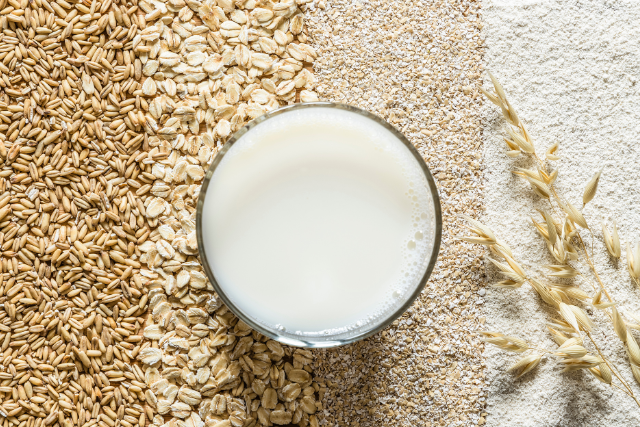
A cereal diet swaps one or two meals a day for a bowl of cereal with low-fat milk, often plus fruit. It works only because it cuts calories.
Pick a whole-grain, high-fiber, low-sugar cereal made from oats, wheat, barley, or rye. Treat it as a short-term plan, and eat a balanced regular meal the rest of the day so you still get enough protein, vitamins, and minerals.
4.Gluten-Free Diet
A gluten-free diet is the treatment for celiac disease. In celiac disease, eating gluten, a protein in wheat, rye, and barley, damages the small intestine.
The damage flattens the tiny finger-like projections in the gut lining, called villi. Damaged villi cannot absorb nutrients well, so people can become malnourished no matter how much they eat.
Avoiding wheat, barley, and rye allows the intestine to heal. Many people feel better within days to weeks, according to the NIDDK.
People with celiac disease need to stay gluten-free for life. If symptoms don't improve, a doctor should check for hidden gluten or other causes.
For people without celiac disease or gluten sensitivity, going gluten-free is not a proven weight-loss method.
5.Detox Diet
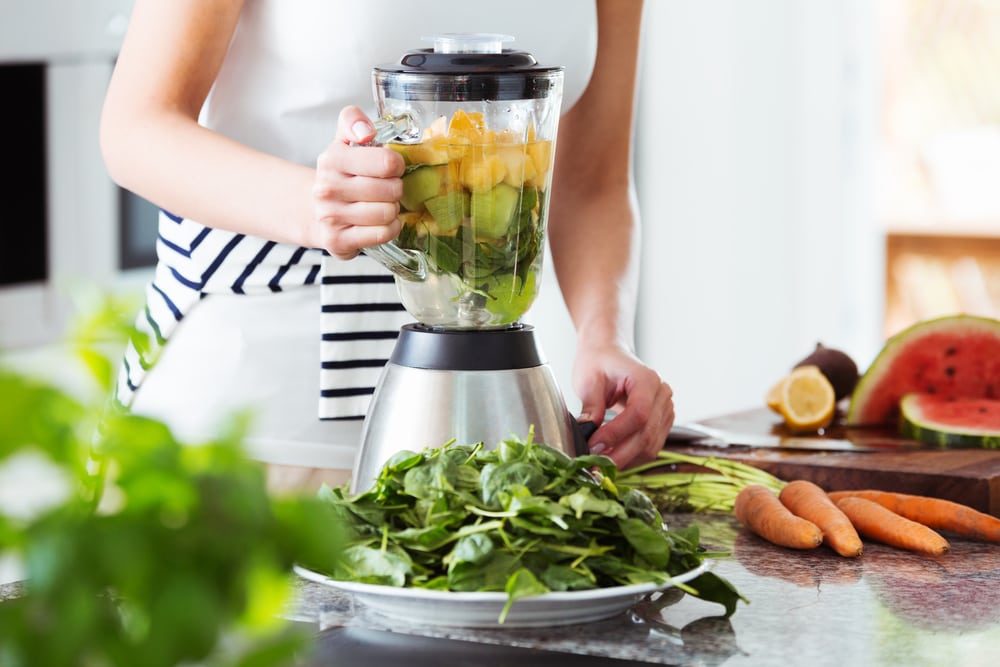
The detox diet usually means days of only juice, fruit, vegetables, or water. Promoters say it clears toxins and relieves chronic ailments. The evidence does not back that up.
The NIH's National Center for Complementary and Integrative Health says there is no compelling research that detox diets remove toxins or help with long-term weight management. Any weight lost usually comes back once normal eating resumes.
Some versions call for going days without food and drinking only water. Do not do this without medical supervision: it can cause weakness, fainting, dehydration, and dangerous electrolyte imbalances.
6.Grapefruit Diet
The grapefruit diet is an old fad diet. It pairs half a grapefruit with each small meal and keeps total calories very low, often under 800 a day.
Grapefruit has no special fat-burning power. In a 12-week study, people who had grapefruit, grapefruit juice, or plain water before meals all lost similar amounts of weight. The water group did just as well, which suggests eating a low-calorie food before meals helps, not the grapefruit itself.
A typical day on the plan looks like this.
Breakfast:
Plain coffee or tea and half a grapefruit.
Lunch:
Half a grapefruit with two eggs and a cucumber and tomato salad with vinegar or lemon.
Dinner
Half a grapefruit with 4 to 6 ounces of chicken or beef, lettuce and tomato with a vinegar or lemon dressing, and plain tea or water.
At under 800 calories a day, this plan is too low in calories and nutrients for most people. Grapefruit can also interact with some prescription drugs, so check with your pharmacist if you take any regular medication.
7.Low Carb Diet
Low-carb diets limit sugar, bread, pasta, rice, potatoes, and some fruit. The strictest version, the ketogenic diet, keeps carbs to roughly 20 to 50 grams a day.
At that level, the body burns more fat for fuel and produces ketones, a state called ketosis. Weight loss comes from eating fewer calories, often because protein and fat are filling.
For whom
A low-carb plan is not right for everyone. People who take medicine for diabetes or high blood pressure should talk with their doctor first, because doses may need to change as the diet takes effect.
The body can still turn stored fats for energy on any diet that creates a calorie deficit, so a very low-carb plan is not the only way to lose fat.
8.Negative Calorie Diet
This diet claims some foods, such as celery, cabbage, broccoli, and berries, take more calories to digest than they contain. There is no good evidence that any food has truly "negative" calories.
A word of caution:
These vegetables and fruits are still excellent low-calorie snacks. A diet made only of them, though, would lack protein and other nutrients.
9.South Beach Diet
The South Beach Diet is a phased plan that limits refined carbs and unhealthy fats. It encourages lean protein, vegetables, and healthy fats.
South Beach Diet – Carbohydrate restriction
The first phase lasts about two weeks and is the strictest. You cut out fruit, bread, rice, potatoes, pasta, sugar, alcohol, and baked goods.
Lean protein, eggs, low-fat cheese, nuts, and non-starchy vegetables are allowed. Early weight loss can be quick, but much of it is water. The phase 1 meal pattern looks like this.
Phase 1 diet-plan:
Breakfast
Protein, at least half a cup of vegetables, no fruit, starch, or milk, and up to one teaspoon of oil or mayonnaise.
Lunch:
Protein, 2 cups of vegetables, no fruit, starch, or milk, and up to one tablespoon of oil or mayonnaise.
Dinner:
Protein, at least 2 cups of vegetables, no fruit, starch, or milk, and up to one tablespoon of oil or mayonnaise.
In phase 2, some foods return gradually, and weight loss slows to about 1 to 2 pounds a week. You stay in this phase until you reach your goal.
Breakfast:
Protein, at least half a cup of vegetables, and one serving of fruit a day.
One serving of starch a day, one cup of milk, and up to one teaspoon of oil or mayonnaise.
Lunch:
Protein, 2 cups of vegetables, one serving each of fruit and starch for the day, 1 to 1.5 cups of milk a day, and up to one tablespoon of oil or mayonnaise.
Dinner:
Protein, at least 2 cups of vegetables, fruit (gradually building to up to 3 servings a day), milk, one serving of starch, and up to one tablespoon of oil or mayonnaise.
Phase 3 is maintenance. You keep the habits from phase 2, eat most foods in moderation, and limit junk food for good.
10.Weight Gain Diet
Most diets aim at weight loss, but some people are underweight. Being underweight can mean missing out on vitamins and minerals, which can lead to problems like a weak immune system and bone fractures.
The NHS suggests adults add around 300 to 500 extra calories a day to gain weight gradually. Focus on nutritious, calorie-dense foods like milk, banana, nuts, seeds, cheese, eggs, and beans rather than sweets.
- Breakfast: Oats or whole-grain cereal with milk, chopped nuts, and a banana.
- Lunch: Mixed salad with tomatoes, olives, beans or eggs, olive oil, and sesame seeds, plus a whole-grain roll.
- Snacks: Several easy snacks a day, such as yogurt, nut butter on toast, or a milkshake.
- Dinner: A balanced meal with protein, a starchy carb, and vegetables.
Strength training can help build muscle and boost appetite. If you have lost weight without trying, see a doctor first.
In Conclusion
Many diets are popular right now, but there is no perfect one. Different diets work for different people, depending on your health, lifestyle, and food preferences.
The best diet for you is one you can follow safely for the long term. If you have a health condition, check with your doctor or a registered dietitian before you start.
Sources
- Blood type diets lack supporting evidence: a systematic review, American Journal of Clinical Nutrition (PubMed)
- Effects of grapefruit, grapefruit juice and water preloads on energy balance, weight loss, body composition, and cardiometabolic risk in free-living obese adults, Nutrition & Metabolism (PMC)
- Detoxes and Cleanses: What You Need To Know, NCCIH
- Healthy ways to gain weight, NHS