30-Day Liquid Diet Weight Loss Results
Contents
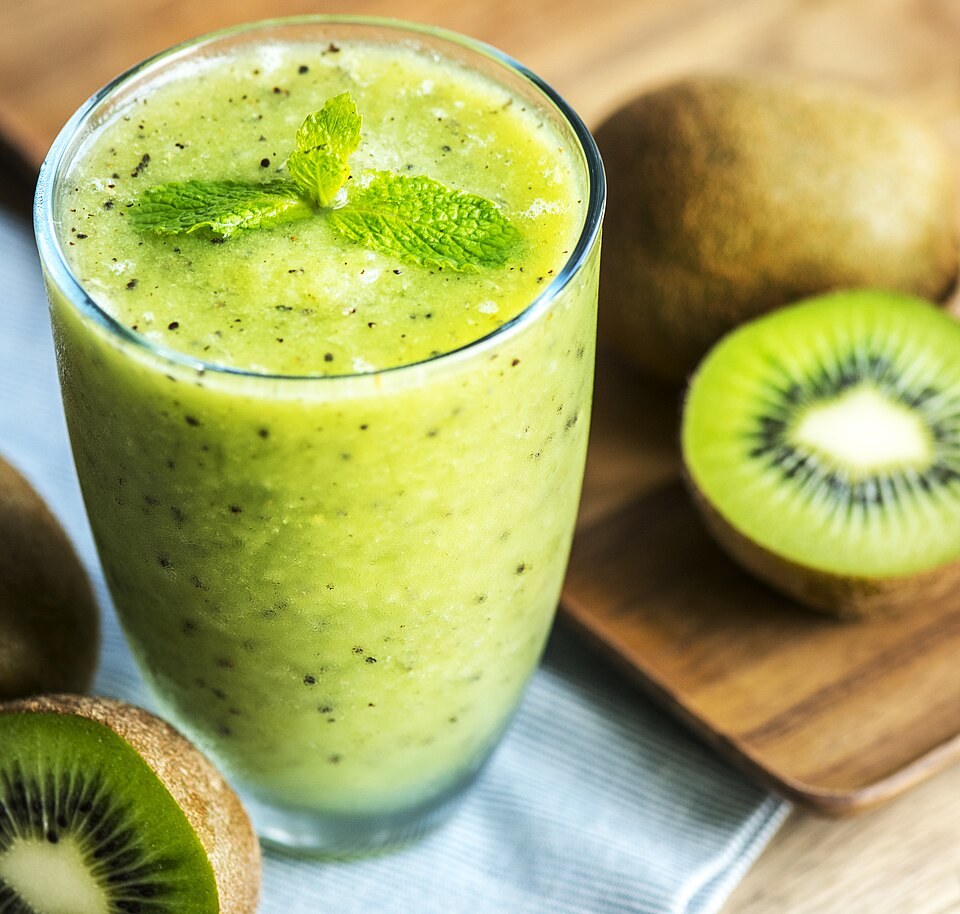
Photo by rawpixel.com, CC0, via Wikimedia Commons
30-Day Liquid Diet Weight Loss Results
A clear liquid diet consists of clear fluids such as plain gelatin, broth, and water. These liquids are easy to digest and leave little undigested material in the intestines.
Doctors use clear and full liquid diets before certain tests and surgeries, after some stomach or intestinal surgery, and for people who have trouble chewing or swallowing, such as after mouth or jaw surgery or during some gastrointestinal illnesses.
These diets are not meant for long-term use without medical supervision. MedlinePlus advises that healthy people should not stay on a clear liquid diet for more than 3 to 4 days.
Side effects of very low calorie intake can include fatigue, dizziness, and nausea, which usually ease when a person goes back to eating normally.
Some people try liquid diets to lose weight. These plans usually rely on fruit juices, vegetable juices and shakes that replace breakfast and lunch. Cutting calories this way does lead to weight loss.
Do not stay on this kind of diet for long, because of the side effects mentioned above. Your body still needs enough protein and fiber.
Liquid Diets for Weight Loss
Liquid diets work like any other diet that gives you fewer calories than you burn. Some people find a fixed menu of shakes easier to follow. When calories are cut sharply, your metabolism slows down.
Weight is likely to come back when you return to normal meals unless you change your eating habits.
How much weight you lose in a month depends on several factors. The common rule of thumb is that losing about 1 pound of fat in a week takes eating about 3,500 fewer calories that week than your body needs to maintain its weight.
Your maintenance level depends on your body composition, height, age, and activity. The CDC suggests losing about 1 to 2 pounds a week for gradual, lasting weight loss.
Weight loss is a long-term effort. A liquid diet can leave you hungry and dissatisfied, which makes regaining the weight more likely. Very low-calorie diets can cause problems such as diarrhea or constipation, brittle nails, and feeling cold. Liquid diets also carry a risk of malnutrition.
Benefits Of Liquid Diet
- Ensures Safety
A liquid diet helps when you have difficulty chewing and swallowing food. Swallowing problems can lead to choking or aspiration (food or liquid entering the airway). A full liquid diet, planned with your care team, reduces that risk.
- Eliminates Chunk Food Particles
This helps after dental surgery or jaw injuries, when chewing solid food is not possible.
- Reduces Risks of Infections
After tooth extractions or mouth surgery, a liquid diet keeps food particles away from the wounds while they heal. Food stuck in a healing wound can raise the risk of infection.
- Manages Pain in The Intestines
After surgery on the stomach or intestines, a liquid diet gives the gut time to heal before it has to handle solid food again.
- Crucial When Having Preparations When Need to Have Intestinal Test
Before tests such as a colonoscopy, a clear liquid diet helps make sure no food particles are left in the digestive tract that could affect the results.
- Important When Preparing Medical Procedures
You may be asked to follow a liquid diet before some surgeries. Follow your care team's instructions exactly.
How Does a Full Liquid Diet Work?
A full liquid diet includes clear fluids plus thicker liquids such as fruit juice, smoothies, milk, and shakes. Your care team may also allow foods like strained cream soups, pudding, and custard. Additional restrictions may apply if you have other medical conditions.
These are the only options on a liquid diet. This makes it hard to get enough calories and nutrients, which is why people on it lose weight.
Follow your care team's instructions, and ask whether you need supplements. MedlinePlus notes that a full liquid diet lacks fiber and may fall short on some vitamins and minerals.
Liquid Diet Duration
A liquid diet is usually prescribed for a short time, often as a step back toward normal eating. Some people, such as those preparing for or recovering from bariatric surgery or healing from a broken jaw, may need it for longer.
Because the diet is so restrictive, anyone on it for an extended period should be followed closely by a doctor or dietitian.
What Are You Required to Eat?
A full liquid diet can include more variety than you might expect. With a good blender, you can turn some foods into liquids by blending, thinning, straining, or melting them, but only with your care team's approval.
Compliant And Non-Compliant Foods
Compliant foods are the ones allowed on your liquid diet. Non-compliant foods are solids or anything with chunks, seeds, or pulp that your care team has told you to avoid.
Examples of Compliant Foods
- Creamed or clear soups (strained, with no solids)
- Sugar, syrup and honey
- Pudding, custard and gelatin
- Soft drinks
- Vegetable and fruit juice
- Broth
- Yogurt with no granola, fruit chunks and seeds (if your care team allows it)
- Plain ice cream, frozen yogurt, sherbet and ice pops without solid pieces
- Milk, dry milk and protein powder mixed into drinks
- Liquid supplements, e.g., Boost and Glucerna
Examples of Non-Compliant Foods
-
Nuts and seeds
-
Bread
-
Cereals, granola and oats (unless your care team approves thinned, strained cereal)
-
Whole pasta and rice.
-
Hard candy (or chewy)
-
Raw vegetables and fruits
-
Mashed food, e.g., sweet and Irish potatoes.
-
Meat substitutes and tofu
-
Apple sauce
-
Meat unless it is strained and pureed or thinned
-
Solid cheese
-
Popcorn, pretzels and potato chips
-
Vegetables
Ask your care team before adding blended vegetables. If allowed, blend cooked vegetables with broth or sauce, season to taste, and thin with water or broth until the mixture is no thicker than a smoothie.
- Milk
Drink your favorite milk or a lactose-free milk, or use it in smoothies and shakes for extra nutrition. Adding dry skim milk powder to milk, soups, or shakes raises their protein content.
- Juice
Strained vegetable or fruit juice is allowed on a full liquid diet. Straining removes solid particles and pulp. A high-speed blender helps you control the consistency.
- Grains
If your care team allows cereals, cook refined cereals such as cream of rice, thin them with water or milk, and strain them. Using whole milk instead of water adds calories and protein.
- Protein
Liquid nutrition supplements, milk, and protein powder are the easiest ways to get protein. Strained, pureed meats are sometimes allowed, so ask first.
- Cottage Cheese and Yogurt
Smooth yogurt without fruit pieces may be allowed. Cottage cheese and other cheeses are generally not part of a full liquid diet unless your care team says otherwise.
- Butter
If you need more calories while on a full liquid diet, butter, margarine, and oil can be stirred into soups and other liquids.
- Beverages
Clear broths, juices, tea, and coffee are all part of a full liquid diet. Adding milk or cream to coffee or tea gives you extra calories.
- Eggs
Eggs are not part of a standard full liquid diet. If you want to use eggs in shakes or custards, only use them fully cooked or pasteurized, and check with your care team first.
- Dessert
Frozen yogurt, ice cream, and sherbet count as liquids as long as they have no candy, nuts, or other hard pieces. Puddings and custards are allowed. To add calories, blend ice cream into milkshakes.
The Bottom Line
A liquid diet has important uses beyond weight loss. Your doctor may prescribe one before or after certain surgeries, before some medical tests, or if you have digestive or swallowing problems.
Lasting results come from slow weight loss. Weight lost on a liquid diet is hard to keep off without a plan to return to regular, balanced meals. A 30-day liquid diet should only happen under medical supervision. Weight loss is a long-term effort, so patience matters.
Sources
- Full liquid diet, MedlinePlus
- Clear liquid diet, MedlinePlus
- Steps for Losing Weight, CDC