How Many Calories Are in A Strawberry Banana Smoothie?
Contents
- Nutritional Information Of Strawberry Banana Smoothie
- What Are the Benefits Of Strawberry Banana Smoothie?
- Benefits Of Banana in Strawberry Banana Smoothie
- Bananas are crucial to the nervous system.
- Benefits Of Strawberry in Strawberry Banana Smoothie
- Potential Risks Related to Consumption Of Smoothies
- Pros And Cons Related to Consumption Of Smoothies
- The Bottom Line
- Sources
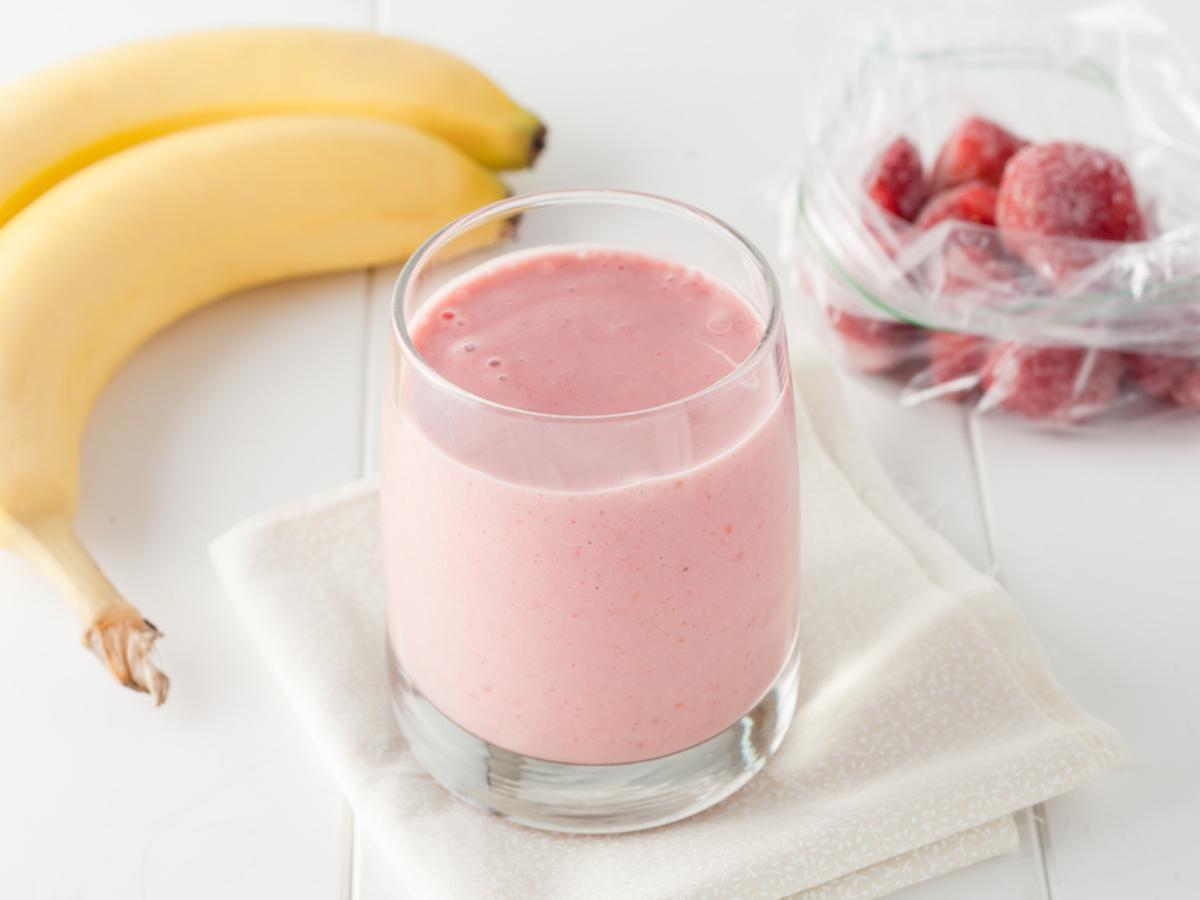
How Many Calories Are in A Strawberry Banana Smoothie?
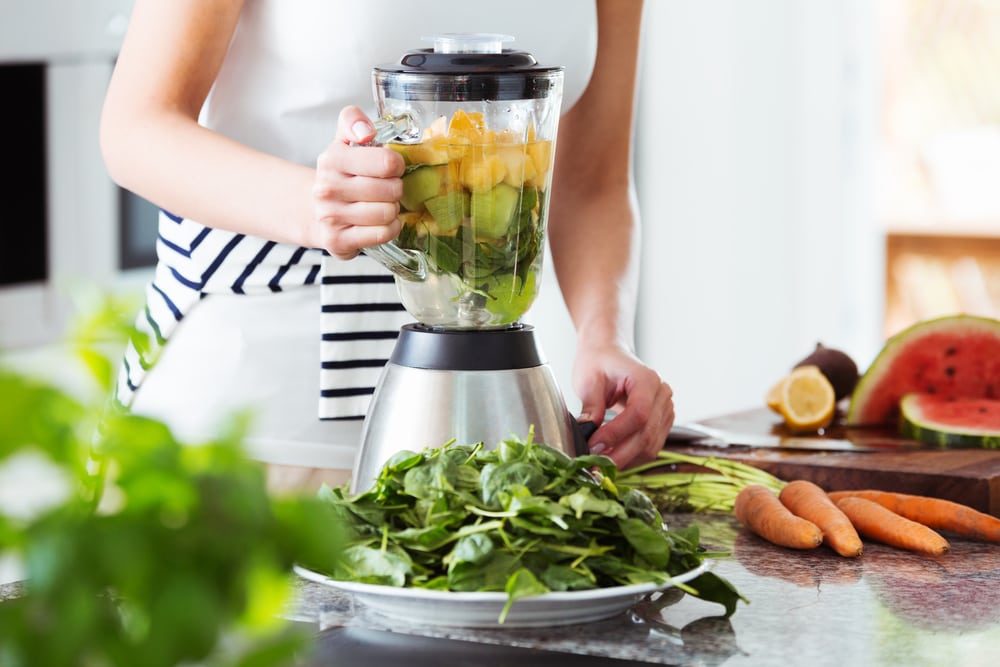
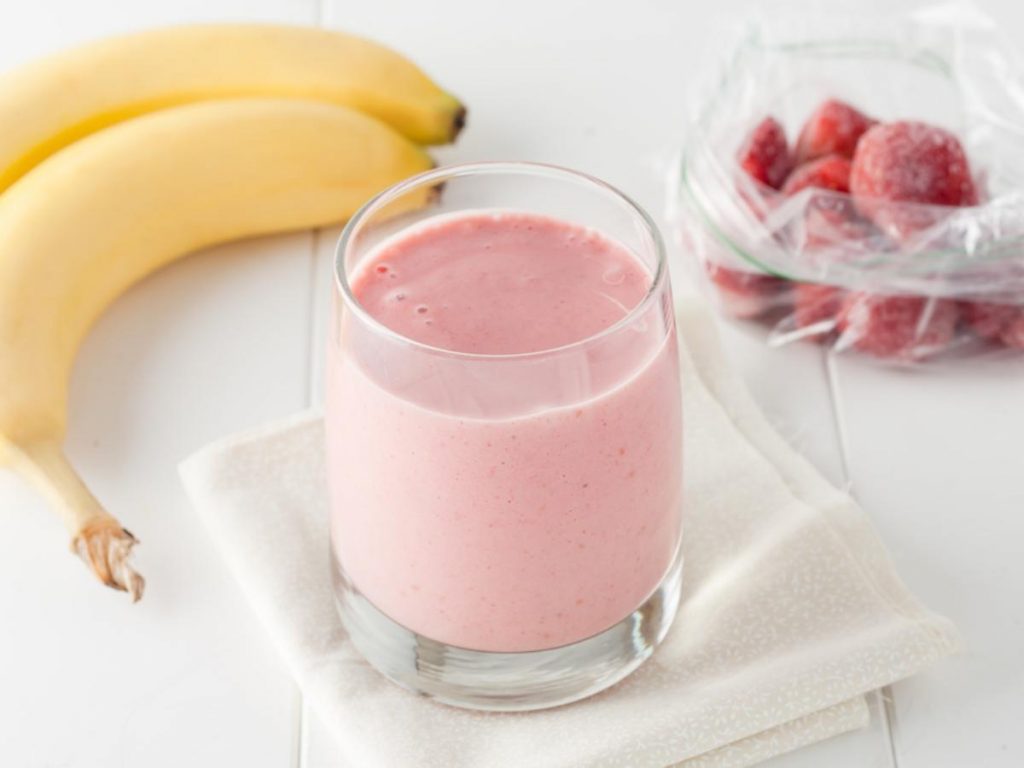
A smoothie is a drink made by blending raw fruits or vegetables with a liquid such as water, milk, or yogurt. A strawberry banana smoothie is a quick breakfast that needs only a few ingredients.
It takes a few minutes to make. Freezing sliced bananas and strawberries ahead of time gives you a thicker, colder drink without much ice.
A simple homemade version uses banana, strawberries, milk or yogurt, and sometimes a little honey. Every extra ingredient changes the calorie count.
Nutritional Information Of Strawberry Banana Smoothie
The calories in a smoothie depend on the ingredients and the serving size. Whole milk, ice cream, or fruit juice add more calories and sugar than water, low-fat milk, or plain non-fat yogurt.
Here is what the main ingredients add, based on USDA FoodData Central values for raw bananas and strawberries:
- 1 medium banana (about 118 g): about 105 calories, 27 g carbohydrate, 3 g fiber, 1.3 g protein
- 1 cup strawberries (about 150 g): about 50 calories, 12 g carbohydrate, 3 g fiber, about 90 mg vitamin C
- 1 cup low-fat milk or 3/4 cup plain low-fat yogurt: roughly 100 to 120 calories and 8 to 10 g protein
- 1 tablespoon honey: about 60 calories, all from sugar
A 16-ounce homemade smoothie made with one banana, one cup of strawberries, and a cup of low-fat milk comes to roughly 250 to 280 calories. Adding honey, juice, or ice cream can push it past 400.
Bottled and shop-made smoothies vary widely, so check the label or the menu's nutrition information.
What Are the Benefits Of Strawberry Banana Smoothie?
A smoothie is thicker than juice because it uses the whole blended fruit plus milk or yogurt. Keeping the whole fruit means you keep its fiber, which juice removes.
For parents, it is an easy way to add fruit to a family breakfast. The main ingredients are bananas and strawberries, as the name suggests.
Benefits Of Banana in Strawberry Banana Smoothie
- It contains a little iron.
A medium banana has only about 0.3 mg of iron, so bananas are not an important iron source. Meat, beans, and fortified cereals supply far more.
- It adds a little protein.
A banana has just over 1 gram of protein. If you want a higher-protein smoothie for training, the milk, yogurt, or a scoop of protein powder will do most of the work.
- May sit well with nausea
Bananas are bland and easy to eat, so some people find them tolerable during nausea or morning sickness. They do not treat it.
- Boosts body’s energy
Bananas are mostly carbohydrate, the body's main quick fuel. A banana before a workout or a busy morning can help keep your energy up.
- Easy on the stomach during diarrhea
Bananas are a gentle food when you are recovering from diarrhea, and they supply potassium, which you lose with fluids. Drink plenty of fluids too, and see a doctor if diarrhea lasts more than a couple of days.
- It is a good source of carbohydrates.
A medium banana has about 27 grams of carbohydrate, which makes it a handy breakfast fruit.
- Iron and anemia
Anemia has several causes, and iron deficiency is a common one. Bananas will not correct it, but the vitamin C in strawberries helps your body absorb iron from plant foods.
- It contains some folate.
A medium banana has about 24 micrograms of folate, around 6% of the Daily Value. Folate (vitamin B9) matters most before and during pregnancy:
- It supports normal growth and development of the fetus.
- Enough folate early in pregnancy lowers the risk of neural tube defects.
- The body needs it to make red blood cells.
- It is needed to make DNA and RNA.
Bananas are crucial to the nervous system.
Folate is essential for the development of the fetal nervous system during pregnancy**.** A banana alone supplies only a small share, so pregnant women are advised to take folic acid as well.
Benefits Of Strawberry in Strawberry Banana Smoothie
- A lower-sugar fruit
Strawberries are lower in sugar and calories than many fruits, so they fit well into a diabetes-friendly eating plan in normal portions. They do not replace diabetes treatment.
- Good for heart-healthy eating
Strawberries are rich in vitamin C and plant compounds called anthocyanins. Diets high in fruits and vegetables are linked to a lower risk of heart disease and stroke.
- Plant compounds
Strawberries contain anthocyanins, the pigments that give them their red color. Research on their effect on memory is still early.
- Not a vision food
Strawberries contain very little beta-carotene. Orange and leafy green produce, such as carrots and spinach, are better sources.
- Vitamin C
One cup of strawberries supplies about 90 mg of vitamin C, roughly a full day's needs. Vitamin C supports normal immune function, but it does not cure colds.
- Provides excellent support during the digestion
Strawberries contain fiber, which helps prevent constipation. Fiber also helps you feel full, which is useful when you are trying to lose weight.
- Folate for pregnancy
Strawberries also contain folate, which helps lower the risk of neural tube defects when intake is adequate early in pregnancy.
- Bones
Vitamin K helps the body use calcium for bones, but strawberries contain only small amounts. Dairy in your smoothie adds more calcium.
Potential Risks Related to Consumption Of Smoothies
The biggest problem with smoothies is that it is easy to drink a lot of calories quickly, which can lead to weight gain instead of weight loss.
Smoothies made with fruit juice, honey, or sweetened yogurt can be high in sugar. Large amounts of sugar raise blood sugar quickly.
People with diabetes do not need to avoid smoothies, but they should keep portions small, skip added sugar, and add protein, as advised by their care team.
Pros And Cons Related to Consumption Of Smoothies
Pros
Boost’s consumption of fruits and vegetables
Most Americans fall short on produce. A CDC report found only about 12% of adults meet fruit recommendations and about 9% meet vegetable recommendations. Smoothies are an easy way to add both.
Vegetables can be added to breakfast meals.
Vegetables rarely show up at breakfast. A handful of spinach blends into a fruit smoothie with little change in taste.
The nutritional repertoire is expanded.
You can add ingredients you rarely eat, such as spinach, chia seeds, oats, and flaxseed. The fruit masks their taste.
Smoothies are convenient
Consuming smoothies saves time because they are quick to make. You can drink one on your way to work.
Smoothies have good taste.
A smoothie can deliver fruit, dairy, and fiber in a form most people enjoy.
Cons
Smoothies do not provide adequate fibres.
Blending keeps the fiber, but store-bought smoothies made with juice or sherbet can have very little. Fiber helps digestion and fullness, so check the nutrition label before buying.
They don’t satisfy as whole foods do
Drinks are less filling than the same calories eaten as food, so you may feel hungry sooner.
Large smoothies add up
Some smoothies contain many calories, and it is easy to overdo the portion. Extra calories lead to weight gain, so keep servings moderate.
Some smoothies contain a high amount of sugar.
Added sugar from honey, syrups, or sweetened yogurt adds calories without much nutrition. The Dietary Guidelines for Americans advise keeping added sugars under 10% of daily calories, about 50 grams on a 2,000-calorie diet. The natural sugar in whole fruit does not count toward that limit.
The Bottom Line
A homemade strawberry banana smoothie usually has about 250 to 280 calories for 16 ounces, depending on what you blend in. People who want to lose weight and crave smoothies can fit one in by skipping added sugar and watching the portion size. Drink it fresh, because the banana turns the color brown as it sits.
Sources
- Bananas, raw, USDA FoodData Central
- Strawberries, raw, USDA FoodData Central
- Disparities in State-Specific Adult Fruit and Vegetable Consumption, United States, 2015, CDC
- Dietary Guidelines for Americans, 2020-2025, USDA and HHS