What Is a Core Food of the Scandinavian Diet?
Contents
- The core foods of the Nordic diet
- What is the main diet in Sweden?
- Drinks
- What do they eat in Norway?
- What do they eat for breakfast in Norway?
- What is a typical Scandinavian breakfast?
- What is traditional Scandinavian food?
- How easy is it to follow the Scandinavian diet?
- Is the Scandinavian diet healthy?
- In Conclusion
- Sources

What Is a Core Food of the Scandinavian Diet?
The short answer: whole grains, especially rye, along with oats and barley. Berries, root vegetables and cabbage, fatty fish, legumes and canola oil round out the core of the diet.
The Scandinavian diet, also called the Nordic diet, is based on foods traditionally eaten in Denmark, Finland, Iceland, Norway and Sweden. As a healthy eating plan, it was developed in collaboration with Noma, a restaurant in Copenhagen.
It is a guide to eating well, not a description of how most Scandinavians eat every day. Each country also has its own cuisine.
Concepts that underlie the Scandinavian diet: –
- Eat more fruits and vegetables every day.
- Eat more whole grains.
- Include more foods from the seas and lakes.
- Choose high-quality meat, but eat less meat overall.
- Seek out more food from wild landscapes.
- Use organic produce whenever possible.
- Avoid food additives.
- Base more meals on seasonal produce.
- Consume more home-cooked food.
- Produce less waste.
These principles center on seasonal, local, mostly plant-based food. Meat is eaten less often, and processed foods and sweets are limited.
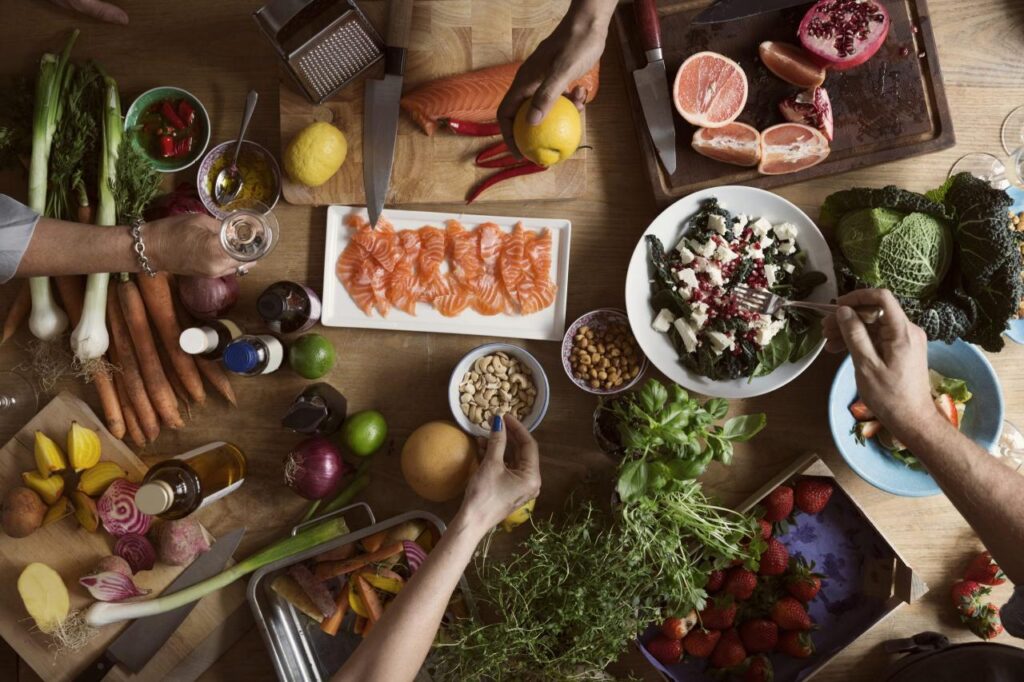
Fish and seafood play a large role. The diet favors fatty fish such as salmon, mackerel and herring.
The core foods of the Nordic diet
According to Harvard Health's overview of the Nordic diet, the staples are:
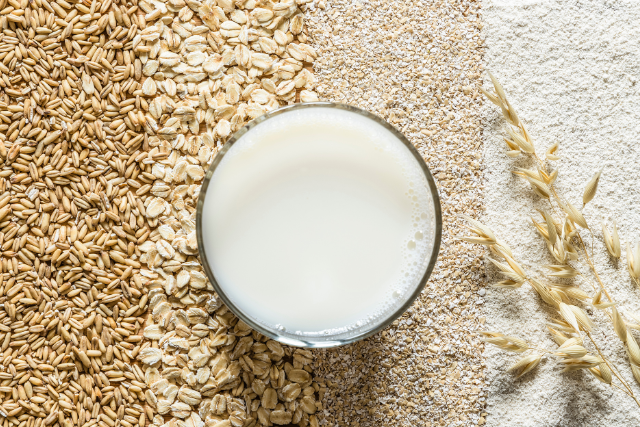
- Whole-grain cereals such as rye, barley and oats, including dark rye bread and whole-grain crispbread
- Berries and other fruits
- Vegetables, especially cabbage and root vegetables
- Fatty fish such as salmon, mackerel and herring
- Legumes
Canola (rapeseed) oil replaces olive oil as the main fat. It is high in monounsaturated fat and contains alpha-linolenic acid, a plant omega-3.
Cleveland Clinic also lists low-fat dairy such as skyr. Eggs and game meat are eaten in moderation, while other red meat, processed meat, added sugar and sweetened drinks are limited.
What is the main diet in Sweden?
Swedish cuisine leans on many of the foods listed above. It features cultured dairy products, berries, crisp and soft bread, beef, lamb, pork, eggs, chicken and seafood.
Potatoes are common too, often boiled and served as a side dish.
Drinks
Sweden's traditional spirit is brännvin, a liquor distilled from fermented grain or potatoes. A version flavored with herbs and spices is called akvavit.
The Nordic diet itself treats alcohol as something to have rarely.
What do they eat in Norway?
Norwegian cuisine is similar to Swedish food. Familiar Norwegian foods include brown cheese, fish soup, fish cakes, tubed caviar, meatballs and berries.
What do they eat for breakfast in Norway?
Milk, juice and coffee are common at a Norwegian breakfast, as part of the two breakfast options many people choose between: open sandwiches or cereal.
Open sandwiches are topped with cold cuts, spreads, cheese or jam. Cornflakes, muesli and oatmeal are popular, particularly with children.
What is a typical Scandinavian breakfast?
A typical Scandinavian breakfast might include rye bread or crispbread, smoked or pickled fish, boiled eggs, cheese, berries, and oats or muesli with soured milk or yogurt.
What is traditional Scandinavian food?
Traditional Scandinavian dishes were simple. They included fish, potatoes, pork and berries, along with grains and foods that could be gathered, caught or preserved.
How easy is it to follow the Scandinavian diet?
It takes some planning. Cleveland Clinic notes that local produce can be hard to find, and some ingredients, such as lingonberries and cloudberries, are not available in the U.S.
You can adapt it with what is local to you. Swap in the berries, root vegetables, whole grains and fish you can buy.
Committing to homemade meals also takes time. Batch-cooking grains and beans can help.
Is the Scandinavian diet healthy?
The evidence is promising but limited. Harvard Health notes that several studies suggest a Nordic eating pattern may help with weight loss and lower blood pressure.
Cleveland Clinic lists possible benefits for cholesterol, blood pressure and the risk of type 2 diabetes and heart disease.
In Conclusion
The core foods of the Scandinavian diet are whole grains, especially rye, plus berries, root vegetables, fatty fish, legumes and canola oil.
Meat is eaten less often and in smaller amounts, and processed foods and sweets are limited.
Healthy proteins on this diet come mainly from fish such as salmon, mackerel and herring, which also provide omega-3 fatty acids, along with legumes, low-fat dairy and eggs.
If you are vegetarian, legumes such as lentils and beans, plus tofu, are good protein choices.
Sources
- The Nordic diet: Healthy eating with an eco-friendly bent, Harvard Health Publishing
- Nordic Diet: What Is It and What Can You Eat?, Cleveland Clinic