Are Spices Good For Weight Loss?
Contents
- 9. Ginseng Delay Fat Absorption
- 10. Fenugreek Reduces Appetite
- 11. Green Coffee Bean Extract Reduces Belly Fat
- 12. Cardamom Reduces Belly Fat
- 13. CuminDecrease Body Weight
- 14. Mustard Seed Reduces Bad Cholesterol Level
- 15. Rose Mary Breaks Down Fat Molecules
- 16. SaffronSuppress Appetite
- 18. Dandelions Protects Liver
- How to Consume Herbs and Spices Safely for Losing Weight?
- In conclusion
- Sources
Are Spices Good For Weight Loss?
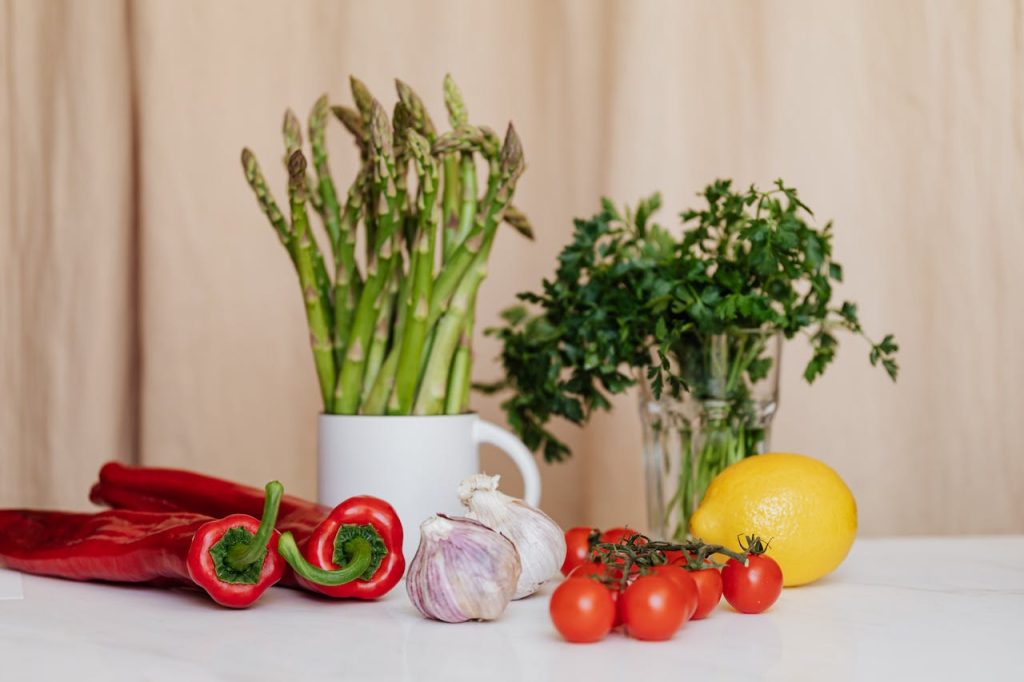
Spices are a great ingredient for cooking delicious food, but are they healthy, or just tasty? Are spices good for weight loss, or do they add weight? What are the benefits of spices, which ones might help with weight loss, and how do you use herbs and spices safely?
If you have the same kind of doubts, you are in the right place because I have doubts and confusion when thinking about spices and herbs.
So I decided to research this topic through the internet and books. I hope what I found will clear all your doubts regarding this topic and cover all the questions mentioned above.
Are Spices Good for Weight Loss?
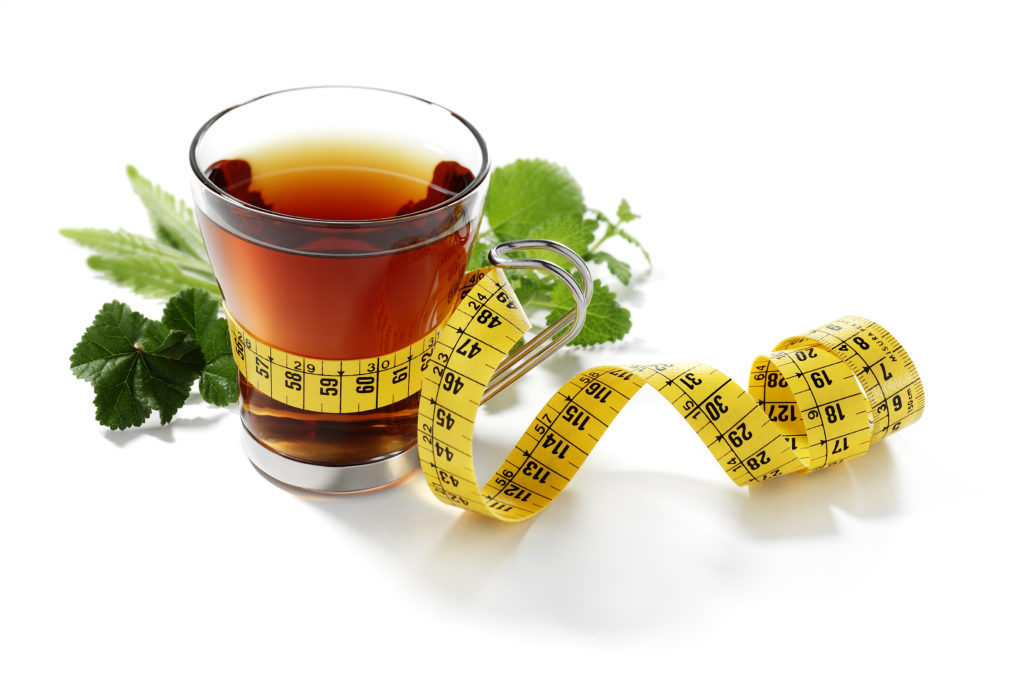
Are spices good for weight loss? They can help a little, but they are not a fat burner. Herbs and spices add a lot of flavor for almost no calories, which makes healthy, lower-calorie meals more satisfying.
A few, like ginger and fenugreek, have shown small effects on weight or appetite in studies. Not all herbs and spices work the same.
Herbs and spices have strong flavors, which is why they are used in small amounts. In those amounts they add very few calories to food, even though seed spices contain some fat, carbs, and protein.
Used generously, herbs and spices can also add small amounts of minerals such as magnesium, iron, and calcium.
The benefit of Herbs and Spices for Losing Weight
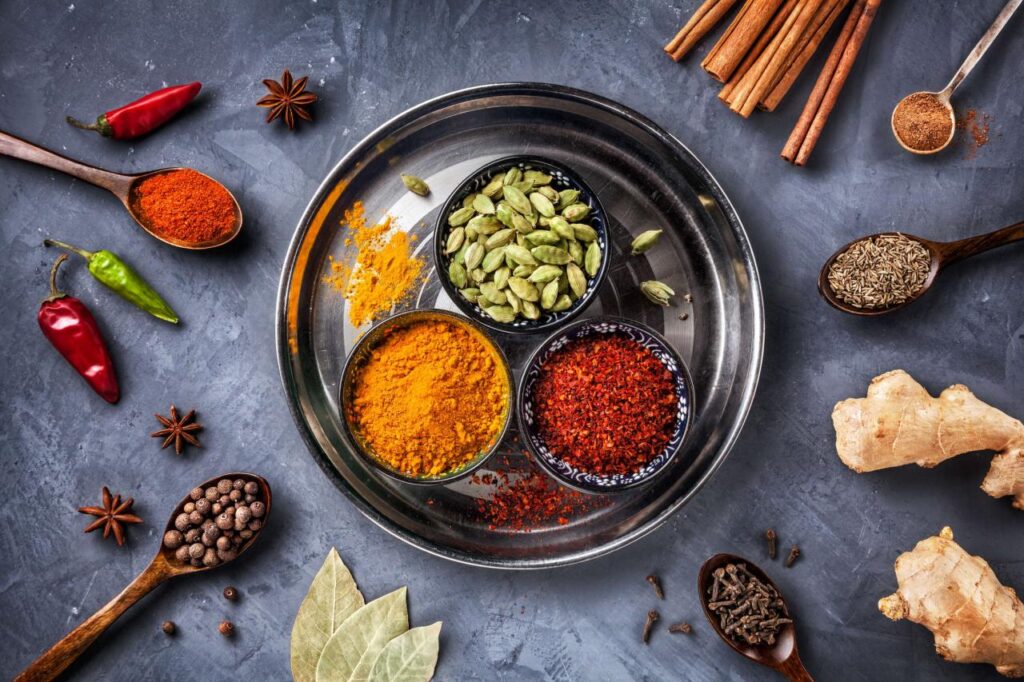
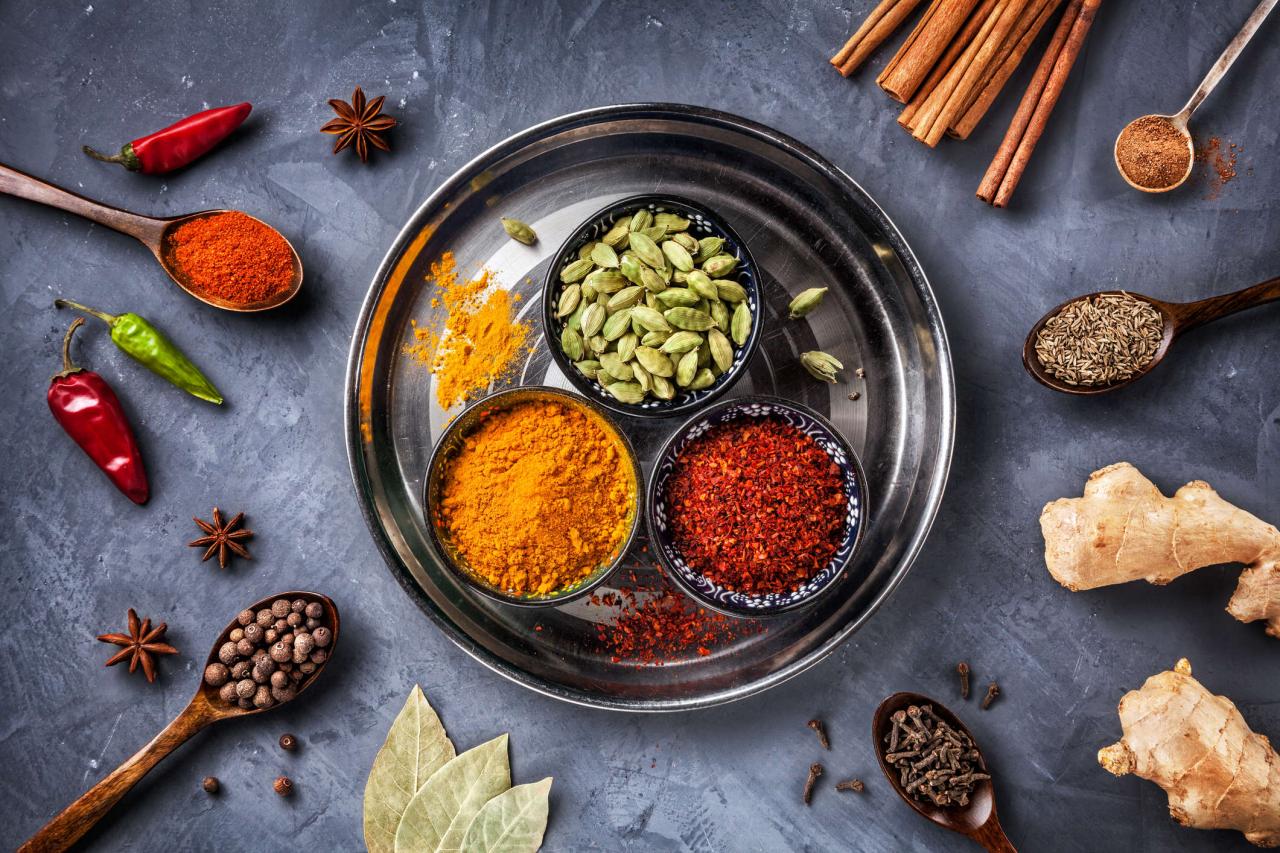
Spices can be found in seeds, fruit, bark, root, or other plants. Mostly spices are used for coloring and flavoring of food.
Beyond color and flavor, many spices contain antioxidants and other plant compounds that researchers are studying for possible links to heart health, type 2 diabetes, cancer, and cognition. They do not treat these conditions. Their role in weight loss is modest at best.
What Herbs and Spices Are Good for Weight Loss?
Here is what the evidence says about spices and herbs often linked to weight loss. Several of these are sold mainly as supplements, which is different from cooking with them.
1. Cayenne Pepper May Slightly Boost Metabolism
Cayenne pepper is a type of chili pepper used to add heat to food. Its active compound, capsaicin, may slightly raise calorie burning and reduce appetite for a short time, but the effect is small.
2. Oregano Contains Carvacrol
Oregano is a herb belonging to the same family of basil, sage, rosemary, and mint. It contains carvacrol, a compound studied for its effects on fat metabolism.
In animal studies, carvacrol affected genes and proteins involved in making fat. These effects have not been shown in people.
3. Ginger Reduces Belly Fat and Body Weight
Ginger is a spice long used in folk medicine. It may modestly help with weight loss.
Research pooling 14 randomized trials with 473 people with overweight or obesity found that ginger supplements produced a small but significant decrease in body weight and waist-to-hip ratio, but no significant change in BMI.
4. Turmeric Reduces Bad Cholesterol Level
Turmeric is a spice that is known for its vibrant color and health benefits. It contains curcumin, which is being studied for effects on inflammation and cholesterol. Evidence that it helps with weight loss is limited.
Liver damage has been reported in some people taking highly bioavailable curcumin supplements, so check with your doctor before taking them.
5. Caralluma FimbriataReduces Appetite
Caralluma fimbriata is a cactus-like plant used in some diet pills that claim to reduce appetite. Only a few small studies have tested it, and the results are not convincing.
Keep in mind that the NCCIH warns many weight-loss supplements have not been tested for safety, and the FDA has found some tainted with hidden prescription drugs.
6. Gymnema Sylvestre Reduces Food Intake
Gymnema sylvestre is an herb traditionally used to lower blood sugar. It can dull the taste of sweetness, and small studies suggest it may reduce sugar cravings, but evidence for weight loss is weak.
If you take diabetes medication, ask your doctor first, since it may add to the medication's effect.
7. Black PepperReduces Body Weight
Black pepper is a common household spice. It contains piperine, the compound that gives it its pungent flavor.
In animal studies, piperine reduced weight gain without changes in food intake. There is little evidence for this effect in people.
8. CinnamonStabilizes Blood Sugar
Cinnamon is a spice made from the inner bark of trees. It contains antioxidants.
Some studies suggest cinnamon may slow the breakdown of carbs and modestly improve blood sugar after meals. Any effect on weight is small. Cassia cinnamon contains coumarin, which can be a concern for the liver in sensitive people, such as those with liver disease, so stick to food amounts.
9. Ginseng Delay Fat Absorption
Ginseng is an herb used in traditional Chinese medicine for centuries. A few small studies have looked at ginseng for weight loss, but the results are inconsistent, and it can interact with some medications.
10. Fenugreek Reduces Appetite
Fenugreek is a common household spice. Its fiber may help you feel fuller.
A study of 18 people with obesity found that 8 grams of fenugreek fiber at breakfast increased fullness and reduced hunger. Lunch intake was lower than with a 4-gram dose, but not significantly lower than with no fenugreek, and there was no difference for the rest of the day.
11. Green Coffee Bean Extract Reduces Belly Fat
Green coffee bean extract comes from unroasted coffee beans and contains chlorogenic acid. It is sold as a weight-loss supplement, but the evidence is weak.
The FTC has taken action against marketers of green coffee supplements; in one case, it said the key weight-loss study behind the product was so flawed that no reliable conclusions could be drawn.
12. Cardamom Reduces Belly Fat
Cardamom is a spice in the ginger family, used in baking and cooking.
An animal study found that cardamom reduced belly fat in rats on a high-carb, high-fat diet. This has not been confirmed in people.
13. CuminDecrease Body Weight
Cumin is a spice made from dried seeds, used whole or ground. It is a traditional home remedy for gas. A few small studies have looked at cumin for weight loss, but the evidence is limited.
14. Mustard Seed Reduces Bad Cholesterol Level
Mustard seeds come from the mustard plant. They are low carb and contain some omega-3 fatty acids and minerals. There is no good evidence that they help with weight loss.
15. Rose Mary Breaks Down Fat Molecules
Rosemary is an herb in the same family as mint, basil, and oregano. In lab and animal studies, rosemary extracts blocked lipase, an enzyme your body uses to digest fat. This has not been shown to cause weight loss in people.
16. SaffronSuppress Appetite
Saffron is one of the most expensive spices in the world, prized for the golden color it gives food. It is being studied for effects on mood and other health conditions.
A small, company-funded study of 60 mildly overweight women found that those taking a saffron extract supplement for 8 weeks snacked less and lost a little more weight than the placebo group. More independent research is needed.
17. GarlicImproves Immune System
Garlic is widely used for flavor and has been studied for effects on blood pressure, cholesterol, and colds, with mixed results. There is no good evidence that it melts belly fat.
18. Dandelions Protects Liver
Dandelion greens are rich in fiber, minerals, and beta-carotene, an antioxidant.
As a fiber-rich, low-calorie green, it can help make meals more filling. Dandelion supplements have not been shown to cause weight loss.
How to Consume Herbs and Spices Safely for Losing Weight?
Cooking with herbs and spices in normal food amounts carries little risk. Use them to flavor nutrient-rich whole foods, which is where the real weight loss benefit comes from.
Supplements are different. They contain much larger doses, they are not tested for safety and effectiveness the way drugs are, and some interact with medications. Don’t take more than the label says.
If you have any health problems before deciding to start consuming supplements, it is better to consult with a trusted weight loss doctor before consuming any supplements.
In conclusion
Herbs and spices can make healthy meals tastier and easier to stick with, and a few may help a little, but none of them will cause meaningful weight loss on their own. Results depend on your overall diet and how active you are.
For burning fat, here are 15 bodyweight exercises you can do at home.
If you want to try an herbal supplement, talk to your doctor first, especially if you have a health condition or take medication.
Sources
- The effects of ginger intake on weight loss and metabolic profiles among overweight and obese subjects, Critical Reviews in Food Science and Nutrition (PubMed)
- Effect of fenugreek fiber on satiety, blood glucose and insulin response and energy intake in obese subjects, Phytotherapy Research (PubMed)
- Weight Control, NCCIH
- Green Coffee Bean Manufacturer Settles FTC Charges, Federal Trade Commission