How Many Calories Are in Mashed Potatoes?
How Many Calories Are in Mashed Potatoes?
Potatoes provide potassium, vitamin C, vitamin B6, and some fiber, and they can be part of healthy eating. They are naturally gluten-free, inexpensive, and easy to cook in many ways.
How they are prepared matters a lot. Plain potatoes are virtually fat-free, but butter, cream, and frying add calories quickly. Mashed potatoes fall in the middle, depending on what you mix in.
Here is how many calories mashed potatoes contain, and how to fit them into a healthy diet.
What Are The Calories Content In Mashed Potatoes?
A calorie is a unit of energy. The calories in a food tell you how much energy it supplies.
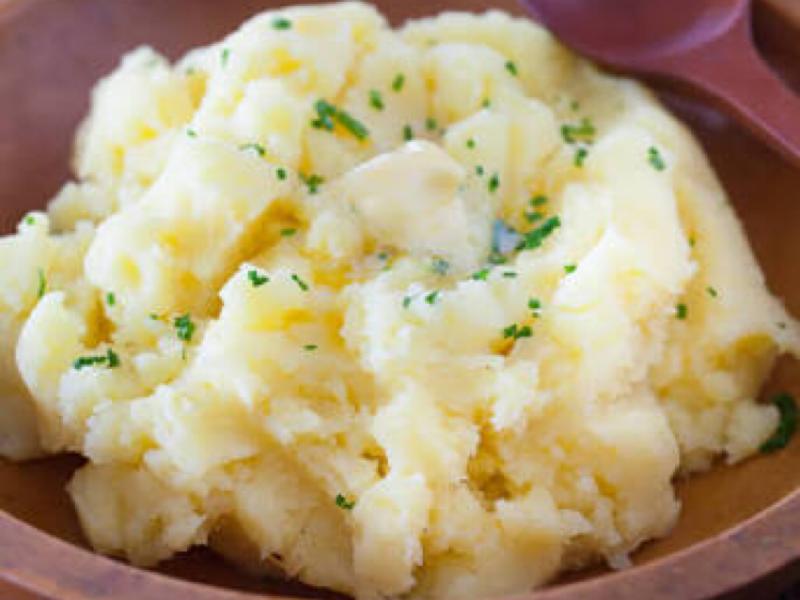
Mashed potatoes are boiled potatoes mashed with ingredients like milk and butter. Those add-ins drive most of the difference in calories between recipes.
According to USDA FoodData Central, one cup (210 grams) of homemade mashed potatoes made with whole milk and butter has about 237 calories. Made with whole milk but no butter, the same cup has about 174 calories.
A basic recipe needs only potatoes, milk, butter, salt, and pepper. Boil peeled, cubed potatoes until a fork slides in easily, about 15 to 20 minutes, then drain and mash with your add-ins.
To lighten them, use low-fat milk or broth, less butter, and leave the skins on for extra fiber. Leftovers keep in the refrigerator and can be frozen, though the texture may change a little.
How many calories in mashed potatoes- Well balanced diet
Love potatoes but worried they'll make you gain weight? Portion size and preparation are what count. Potato growers publish their own calories of potatoes figures for plain potatoes, which are much lower than for buttery mashed versions.
So how many calories are in mashed potatoes? About 237 in one cup made with whole milk and butter, or about 174 without the butter.
Plan your portion around your daily calorie target. A half-cup serving keeps the calories closer to 120.
Mashed potatoes provide nutrients too. A cup made with milk and butter has roughly 600 mg of potassium, plus vitamin C and vitamin B6. Much of a potato's fiber is in the skin, so skin-on mash has more.
Purple potatoes contain anthocyanins, the same antioxidant pigments found in blueberries, and have a slightly lower glycemic load than white potatoes, according to Harvard's Nutrition Source. Otherwise their calories and nutrients are similar.
People with celiac disease must avoid gluten, found in wheat, barley, and rye. Plain potatoes are naturally gluten-free, but check gravies and packaged mixes.
Cooking method matters. Baked, boiled, or mashed potatoes are better choices than fried ones. In large Harvard studies, French fries were linked to more weight gain and a higher risk of type 2 diabetes than other potato dishes.
China is the world's top potato producer, and cooks everywhere use potatoes with ingredients like cream cheese, buttermilk, and shallots. Try a few lighter recipes to find one you like.
Calorie Count
Knowing the calories in mashed potatoes helps you manage your daily total. Here are the USDA figures for homemade mashed potatoes.
Per 100 grams, mashed potatoes with whole milk and butter contain about 113 calories, or about 83 calories with whole milk only.
One cup (210 grams) made with whole milk and butter contains:
- Calories: 237
- Carbohydrates: about 35 grams
- Fiber: about 3 grams
- Protein: about 4 grams
- Fat: about 9 grams, including about 5.5 grams of saturated fat
- Potassium: about 600 mg
- Sodium: about 670 mg, depending on how much salt you add
- Vitamin C: about 13 mg, roughly 14% of the Daily Value
Nutritional Benefits of Mashed Potatoes.
- They are a good source of potassium.
- They provide vitamin C and vitamin B6.
- They contain antioxidants such as phenolic acids and, in colored potatoes, anthocyanins.
- The skin adds fiber, which helps digestion.
- They are filling.
Potatoes are low-cost, easy to grow, and nutritious. Still, Harvard's Nutrition Source notes they are high in quickly digested starch, so they can raise blood sugar more than whole grains do.
Are Mashed Potatoes Healthy?
They can be. Potatoes themselves are virtually fat-free and rich in potassium. What makes mashed potatoes less healthy is a heavy hand with butter, cream, and salt.
If you follow a low-carbohydrate diet, potatoes may not fit well. A cup of mashed potatoes has about 35 grams of carbs.
Don't skip your favorite side entirely. Make a lighter version with low-fat milk, broth, garlic, herbs, and the skins left on, and keep portions moderate.
GHS Talk: We prepared an article focusing on recipes that would most certainly help you in losing weight! Turn over to this post right now: Recipes For Weight Loss.
FAQs:
Are mashed potatoes healthy?
In moderation, yes. They provide potassium, vitamin C, vitamin B6, and some fiber. Go easy on butter, cream, and salt.
Are mashed potatoes good for weight loss?
They can fit into a weight-loss diet in small portions, especially made with low-fat milk and little butter. They are not a weight-loss food on their own.
How much mashed potatoes should one person have?
About a half cup to one cup is a typical side serving. Use the smaller portion if you are watching calories.
Can mashed potatoes be frozen ahead for later use?
Yes. Fresh is best, but mashed potatoes freeze reasonably well. Recipes with some butter or cream tend to keep a smoother texture after thawing.
What is the serving size in the case of mashed potatoes?
USDA nutrition data uses 1 cup, or 210 grams, as a standard measure for mashed potatoes.
Are mashed potatoes bad for weight loss?
Large portions made with lots of butter and cream can make weight loss harder. Smaller, lighter portions are fine.
Do mashed potatoes (after boiling) have the same calories as fried potatoes?
No. Boiled and mashed potatoes have fewer calories than fried potatoes, which absorb oil during cooking.
How to make thick mashed potatoes easily?
Use a starchy potato like russet, drain the potatoes well, and add milk a little at a time. Powdered milk or a bit of cornstarch can also thicken them.
Do mashed potatoes cause weight gain?
Only if they push you over your calorie needs. In large studies, baked, boiled, or mashed potatoes were linked to far less weight gain than French fries.
Is it safe to consume mashed potatoes regularly?
Yes, in moderation. Harvard's Nutrition Source suggests a moderate amount of potatoes a few times a week, preferably with the skin and made with healthy oils. Very high intakes, especially of fries, are linked to a higher risk of type 2 diabetes.
Is rice preferable to mashed potatoes?
Whole grains like brown rice are a better everyday choice than potatoes, according to Harvard research. White rice is not a healthier swap.
Is boiled potato good for you?
Yes. Boiled potatoes with skins provide potassium, vitamin C, and fiber, though boiling does reduce some of the potassium.
Conclusion:
Potatoes can be a healthy part of your diet. They provides a healthy amount of vitamins and minerals like potassium and vitamin C. Adding herbs and garlic boosts flavor without adding many calories.
A cup of homemade mashed potatoes has about 237 calories with whole milk and butter, or about 174 with milk alone. Knowing how many calories are in mashed potatoes helps you fit them into a well-balanced diet. Keep portions moderate, go light on butter and cream, and choose mashed or baked potatoes over fries.
Sources
- Potatoes, mashed, home-prepared, whole milk and butter added, USDA FoodData Central
- Potatoes, mashed, home-prepared, whole milk added, USDA FoodData Central
- Are Potatoes Healthy?, Harvard T.H. Chan School of Public Health, The Nutrition Source