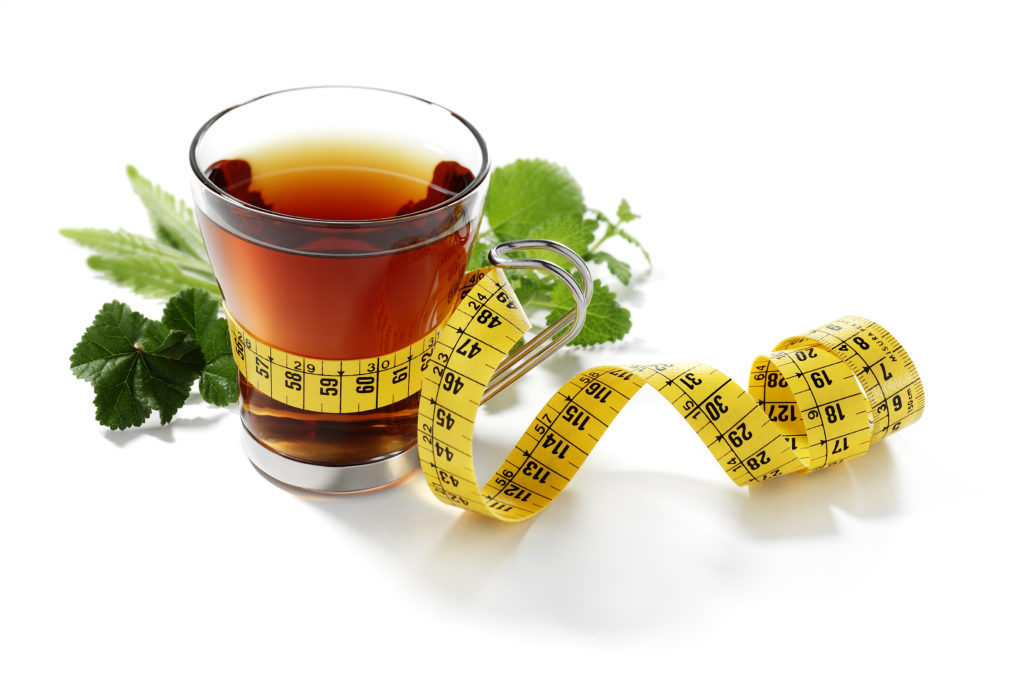

Does coffee make you gain weight? Here is what you should know
Does coffee make you gain weight? Here is what you should know
Coffee is one of the most popular drinks in the world. Plain black coffee has almost no calories, so coffee itself does not make you gain weight.
What can add pounds is what you put in it, and how caffeine affects your sleep and cravings.
We all love morning coffee, and many people worry that it causes weight gain. Let's look at what the science says.
What is coffee?
Coffee is made from the roasted seeds (beans) of the Coffea plant. The two main types are Arabica and Robusta.
People drink coffee for its taste and for the energy boost from caffeine. Others avoid it because of rumors that it causes weight gain.
The truth is that black coffee is close to calorie-free. The calories come from milk, cream, sugar, syrups and whipped toppings.
Benefits of drinking coffee
Coffee has real health benefits when you drink it in moderation, and it has a slightly bitter, acidic taste that many people enjoy.
The taste and aroma depend on the type of coffee beans and how darkly they are roasted. Arabica is generally considered smoother and more flavorful, while Robusta is more bitter and higher in caffeine.
According to Harvard's Nutrition Source, moderate coffee drinking is associated with a lower risk of type 2 diabetes, heart disease, Parkinson's disease, depression, liver cancer and gallstones. Coffee is also a major source of antioxidants in many diets.
Green coffee bean extract is often sold for weight loss. The evidence for it is weak, and no supplement replaces a calorie deficit.
Wakes you up: Caffeine boosts alertness and can lift your mood. Its effects last for several hours. Too much can make you jittery and anxious.
Boosts sports performance: Caffeine can improve endurance in activities such as running, cycling and swimming, and may make hard efforts feel easier.
Protects against diseases: As noted above, regular coffee drinkers have a lower risk of several diseases, including Parkinson's disease and gallstones. These are associations, so they don't prove coffee causes the benefit.
Unfiltered coffee, such as French press or Turkish coffee, contains natural oils that can raise LDL cholesterol. Paper-filtered and instant coffee contain almost none.
Does Coffee Make You Gain Weight?
Coffee itself does not cause weight gain. Black coffee has about 2 calories per 8-ounce cup. Caffeine may slightly reduce appetite and slightly raise the number of calories you burn, but the effect is small.
Weight gain from coffee usually comes from two things: high-calorie add-ins, and caffeine late in the day disturbing your sleep.
You don't gain weight by drinking coffee; you gain weight by how you drink it. A cup with several spoonfuls of sugar and a pour of cream adds up fast over a day.
Healthy things can become harmful in excess. Too much caffeine, or caffeine too late in the day, can interfere with your sleep, because caffeine blocks adenosine, a brain chemical that makes you feel sleepy.
So coffee itself isn't the problem; how much you drink, when, and what you add to it are what matter.
How Coffee Habits Can Lead to Weight Gain:
Reducing sleep time:
Caffeine's effects can last for hours, and people clear it at very different speeds. Coffee in the afternoon or evening can make it harder to fall asleep and reduce sleep quality.
Short or poor sleep is linked to increased hunger, more cravings for high-calorie foods and weight gain.
So a late-day coffee habit can indirectly mean more weight is added to the body over time.
If you're sensitive to caffeine, have your last cup earlier in the day.
Stress hormones and cravings:
Caffeine briefly raises stress hormones such as cortisol and adrenaline, especially in people who don't drink it regularly. The idea that coffee "exhausts" the adrenal glands is not supported by evidence.
Some people find that a lot of coffee leaves them jittery, anxious or reaching for sweets. If that's you, cut back.
Sugar, cream and sweeteners:
Sugar and cream are where coffee calories come from. Harvard notes that a tablespoon of sugar has about 48 calories and a tablespoon of cream about 52, so the two together add over 100 calories to a cup.
Artificial sweeteners such as sucralose or aspartame add few or no calories. They are considered safe in normal amounts, though some people find sweet drinks keep their sweet cravings going.
Keto Coffee:
Keto or "bulletproof" coffee is made with butter and MCT or coconut oil. It contains no sugar, but the fat can add several hundred calories to one cup. If you're trying to lose weight, count it as a meal.
Specialty coffee drinks:
Specialty coffee drinks are the biggest calorie trap. According to Harvard, mochas, lattes and blended coffee drinks can contain 200 to 500 calories each. Drinking one or two of these a day can easily lead to weight gain.
FAQs:
Which Coffee Is Good For Weight Loss?
Black coffee, or coffee with a splash of milk, is best. It has almost no calories. Skip the sugar, syrups and whipped cream.
Is Applying Coffee On Skin Harmful?
Coffee scrubs are generally safe for most people's skin, though they can irritate sensitive skin. Claims that coffee removes dark circles or prevents aging are not well proven.
Can Coffee Make Hairs Darker?
Strong brewed coffee can temporarily stain light or gray hair a little darker. The effect is mild and washes out over time.
Is coffee more caffeinated?
Yes. According to the FDA, a 12-ounce cup of brewed coffee has about 113 to 247 mg of caffeine, compared with about 71 mg for black tea and 37 mg for green tea.
The FDA says up to 400 mg a day is not generally linked to negative effects in healthy adults.
Which type of coffee is enriched with caffeine?
Robusta beans have more caffeine than Arabica. Brewing time and cup size also make a big difference.
Conclusion:
Coffee can help you feel alert and productive, and in moderation it is linked to several health benefits. Too much, or too late in the day, can hurt your sleep.
So, does coffee make you gain weight? Black coffee doesn't. Sugar, cream, syrups and specialty drinks can, and so can poor sleep from late caffeine.
Watch your add-ins and your timing. The more sugar and cream you add, the more the weight is likely to creep up.
Sources
- Coffee, Harvard T.H. Chan School of Public Health
- Spilling the Beans: How Much Caffeine is Too Much?, FDA