Does Stretching Help You Lose Weight?
Does Stretching Help You Lose Weight?
Struggling with your weight, or just frustrated with your love handles? Stretching won't melt fat on its own, but it can support a weight-loss routine. Here's what it can and can't do.
Regular stretching has many benefits. It keeps your muscles flexible, helps maintain range of motion in your joints, and can ease stress and stiffness. It also helps you to lose weight a little, by burning a modest number of calories, and it makes it easier to stay active.
Here's how stretching works and how to do it well.
What happens during stretching?
When you exercise, your muscles work hard, use up fuel and develop tiny tears that your body repairs. Over time, your muscles adapt and get stronger.
Stretching lengthens muscles and the tissues around joints. Done regularly, it improves flexibility and helps your joints move through their full range of motion.
Is stretching good for you? Benefits of stretching
Yes. If you want to lose weight, your main tools are good diet plans, regular exercise and enough sleep. Stretching adds several benefits on top:
1. Increases your flexibility
Regular stretching increases your flexibility, which makes daily activities easier and can help delay the loss of mobility that comes with aging.
2. Improves your performance in physical activities
Dynamic stretches before activity help prepare your muscles for movement, which may help you perform better.
3. Increases blood flow to your muscles
Stretching increases blood flow to the muscles you stretch, which may help you feel less stiff after exercise.
4. Improves your posture
Muscle imbalances can contribute to poor posture. Combining strengthening and stretching of specific muscle groups may help reduce musculoskeletal pain and improve alignment.
5. Helps to prevent back pain
Tight muscles reduce your range of motion, which can make back strains more likely.
Stretching regularly keeps muscles flexible and may lower your risk of back pain and strains. If you already have a back injury, check with a doctor or physical therapist about which stretches are safe.
6. it is great for stress relief
Muscles often tighten in response to physical and emotional stress. Focus on areas where you tend to hold tension, such as your neck, shoulders and upper back.
7. Can calm your mind
Gentle stretching, especially combined with slow breathing or yoga, can help you relax and give your mind a break.
8. Helps decrease tension headaches
Tension headaches are often linked to tight neck and shoulder muscles. Stretching, along with good hydration and rest, may help.
9. Calories:
Stretching burns some calories, but not many. According to Harvard Health, 30 minutes of stretching or hatha yoga burns about 120 to 168 calories, depending on body weight.
That's less than half of what brisk cycling or running burns in the same time.
10. Posture:
Regular stretching of tight chest and hip muscles, paired with strengthening your back and core, supports better posture.
11. Flexibility:
Better flexibility makes it easier to exercise with good form, which helps you get more out of your workouts.
12. Strengthens muscles:
Stretching on its own doesn't build much strength. But some forms, such as yoga, involve holding your body weight in different positions, which builds muscle endurance.
Stretching techniques
Static Stretching
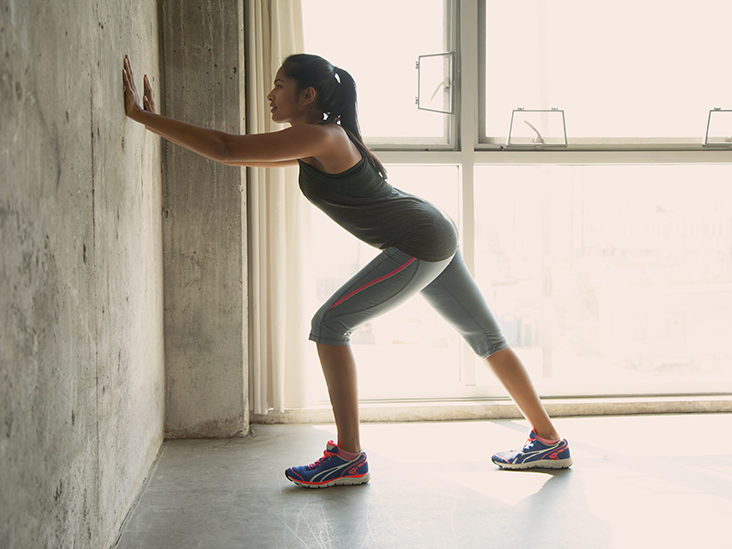
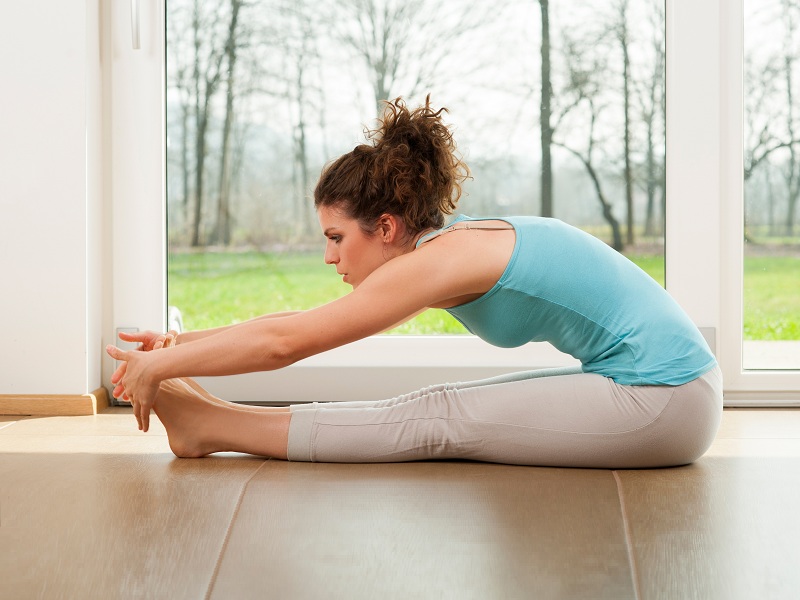
The most well-known kind is static stretching. You move into a stretch and hold it, usually for about 30 seconds. Static stretching works best when your muscles are warm, such as after a workout.
Stretch to the point of mild tension, not pain. Static stretches can be active (you hold the position with your own muscles) or passive (gravity, a strap or a partner helps).
Dynamic stretching
Dynamic stretches are controlled movements, such as leg swings or arm circles, that take your joints through their range of motion without holding the end position. They are typically done before exercise to prepare your muscles.
The steady, controlled movement of a joint toward the limits of its range of motion is called dynamic stretching. It raises muscle temperature and prepares your joints for movement.
Proprioceptive Neuromuscular Facilitation (PNF) stretching
PNF combines stretching with muscle contraction. You stretch a muscle, contract it against resistance for a few seconds, relax, and then stretch a little further. It is often done with a partner or trainer.
Ballistic stretching
Ballistic stretching uses bouncing movements to push a joint past its normal range of motion. It can injure muscles, tendons and ligaments if done incorrectly, so most people should avoid it. Experts generally advise not to bounce when you stretch.
Does stretching help you lose weight?
Here comes the big question; does stretching help you lose weight?
Only a little, directly. Stretching is a form of movement and burns some calories, and it can help you feel better and stay active, which supports a healthier lifestyle.
Flexibility takes regular practice. Stretching keeps muscles flexible and healthy, which helps your joints move through their full range. Without it, muscles can shorten and tighten, which makes them more prone to strains.
Cardio exercise (running, swimming, cycling, brisk walking) and strength training burn far more calories. They should be the core of a weight-loss exercise plan.
If you have trouble falling asleep, gentle stretching before bed may help you relax. Better sleep supports weight control, since poor sleep is linked to increased hunger.
Yoga and stretching can strengthen and tone muscles, but you can't burn fat from one area, such as your belly or thighs, by stretching it. Fat loss happens across your whole body when you burn more calories than you eat.
Many people see stretching only as a warm-up or cool-down. It does more than that, but it is not a high-calorie workout.
You must have seen many people doing cardio and yoga in the morning if you get a chance to pass by a park. But stretching is something that is not taken as seriously as it should be.
Stretching is a gentle way to stay active on rest days or if you are just getting started.
A few minutes a day can help you release stress, ease stiffness and keep your joints moving well.
How stretching benefits weight reduction
- Stretching burns a modest number of calories, which is a start if you're new to exercise.
- Stretching helps maintain range of motion and may lower the risk of strains.
- Stretching through practices like yoga can help calm your mind.
- Stretching, combined with strengthening, can improve your posture.
- Stretching improves flexibility, making other exercise easier.
- Stretching can support your weight loss goals as part of a broader exercise plan.
- Improves your performance in bodily activities.
- Increases blood flow to your muscles.
- May help ease stiffness and back discomfort.
- Helps relieve stress and can calm your mind.
Can You Lose Weight by Stretching?
Can you lose weight by stretching alone? Not much. It burns fewer calories than most other exercise.
Stretching increases blood flow to the muscles you stretch and helps prepare your body for exercise. But it does not significantly boost your metabolism.
A daily stretching routine won't remove body fat by itself. Pair it with a calorie-controlled diet, cardio and strength training.
FAQs
How many types of stretching exist?
Common types include static (active and passive), dynamic, PNF, ballistic and isometric stretching.
What is the best time to do stretching?
When your muscles are warm, such as after a workout or after 5 to 10 minutes of light activity. Any time of day works if you warm up first.
Is it necessary to warm up before stretching?
Yes. Stretching cold muscles can hurt them. Warm up first with a few minutes of light activity, such as a brisk walk.
How should I do stretches?
Stretch major muscle groups, move slowly into each stretch, and breathe normally. Choose stretches that suit your fitness level and any health conditions.
How long should I hold a stretch?
Harvard Health recommends holding each stretch for about 30 seconds. You should feel tension, but not pain. If it hurts, ease off.
Can you lose weight by stretching?
Only a little. Stretching is a form of movement, so it burns some calories, but far fewer than cardio or strength training. Its main value is improved flexibility, mobility and relaxation, which can help you stay active. You can easily add it to any fitness routine without equipment.
Do I Need To Have Special Equipment To Lose Weight By Stretching?
No. You can stretch using just your body weight. A mat, strap, towel or resistance band can help you stretch more comfortably.
Why Is Stretching Good For Weight Loss Anyway?
Stretching loosens muscles, relieves tension and improves mobility. That makes it easier and more comfortable to stay active, which supports weight loss. On its own, it burns only a modest number of calories.
Why Is Stretching A Part of My Weight Loss Plan?
Many people find that regular stretching keeps them feeling loose and less sore, which helps them stick with their workouts. That consistency, along with diet, is what drives weight loss.
Conclusion
Add stretching to your daily workout routine to improve flexibility, ease stiffness and help you stay active. On its own it burns relatively few calories, so pair it with a healthy diet, cardio and strength training to lose weight.
Sources
- The importance of stretching, Harvard Health
- Calories burned in 30 minutes of leisure and routine activities, Harvard Health