
Why Do Body Builders Eat Raw Eggs?
Contents
Why Do Body Builders Eat Raw Eggs?
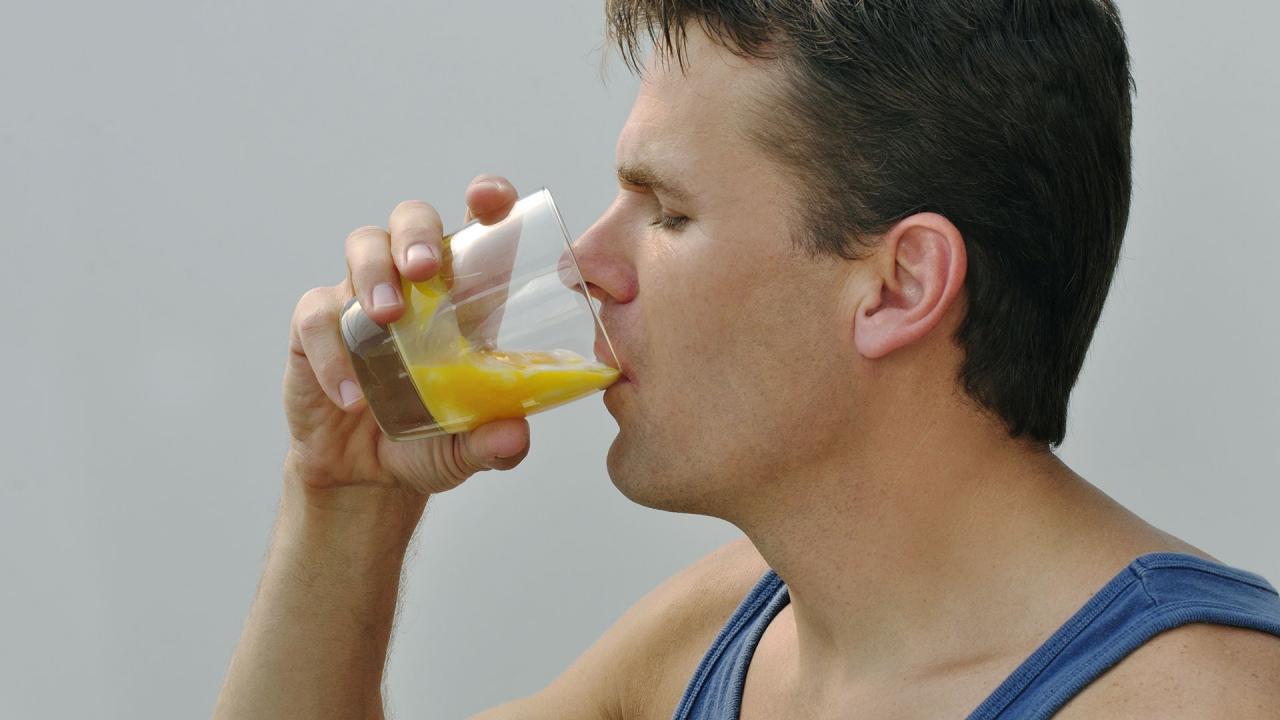
Drinking raw eggs is a long-standing bodybuilding habit, made famous by gym culture and movies. The belief is that raw eggs deliver more protein than cooked ones. The science says the opposite.
Eggs are a good source of high-quality protein. But cooking does not destroy egg protein. Heat changes its shape (denatures it), which actually makes it easier to digest.
A 1998 study in The Journal of Nutrition measured this directly. People absorbed about 91% of the protein from cooked eggs, compared with about 51% from raw eggs.
Raw eggs also carry a risk of Salmonella. So while eggs are beneficial for athletes, cooked or pasteurized eggs are the better choice.
Below, we look at why people eat raw eggs, the real nutrition in an egg, the risks, and how to lower them.
So, why do bodybuilders eat raw eggs?
Mostly for convenience and tradition. Cracking eggs into a shake is quick, and many lifters believe raw eggs are more "natural" or nutritious.
Eggs do offer complete protein, fats, vitamins and minerals in one package. That makes them a useful food for bodybuilders, cooked or pasteurized.
- Raw eggs as a source for proteins
One large egg has about 6 grams of protein. Bodybuilders often aim for more protein to support muscle repair and growth.
Five eggs provide about 30 grams of protein on paper. Raw, though, your body absorbs only about half of it, so cooking gets you more.
Other good protein sources for bodybuilders include salmon (which also provides omega-3 fats), tuna, herring, pork tenderloin, chicken breast, Greek yogurt, lean beef, cottage cheese, beans, nuts and peanuts.
- Raw eggs as a source of fat
A large egg has about 5 grams of fat, mostly in the yolk. People cutting their fat consumption sometimes eat only the whites.
Most egg fat is unsaturated, with a smaller amount of saturated fat.
- Raw eggs as a source of vitamins
Eggs provide vitamins A, D, B12 and other B vitamins. Cooking can reduce some vitamins slightly, but that small loss does not outweigh the better protein absorption and food safety of cooked eggs.
Raw egg whites also contain avidin, a protein that binds the B vitamin biotin and blocks its absorption. Cooking inactivates avidin.
- Raw eggs play a role in bulking.
Eggs can help with bulking because they add protein and calories to meals and shakes, which help bodybuilders. Pasteurized eggs are the safe choice for shakes.
- Eggs contain sodium and potassium minerals.
Eggs contain small amounts of sodium and potassium. If you watch your sodium, go easy on added salt.
- Eggs and brain health.
Eggs are an excellent source of choline, an essential nutrient the body uses for cell membranes and brain function. Cooked eggs provide it too.
Recommended ways to consume and store raw eggs.
If you still want to use eggs uncooked, the FDA recommends using pasteurized shell eggs or pasteurized egg products.
- Buy pasteurized eggs, and choose eggs from a refrigerated case that are clean and uncracked.
- Refrigerate eggs at 40°F or below until you use them.
- Crack eggs into a clean bowl, and avoid letting shell fragments fall in.
- Wash your hands, utensils and work surfaces with hot, soapy water after handling raw eggs.
Individuals should avoid raw eggs.
According to the FDA, children, older adults, pregnant women and people with weakened immune system are at greater risk of severe illness. They should not eat raw or undercooked eggs that are not pasteurized.
What are the pros of consuming raw eggs?
- Raw eggs are quick and convenient to add to shakes and smoothies.
- They need no cooking time.
- Using pasteurized eggs keeps the convenience while greatly lowering the Salmonella risk.
What are the cons of consuming raw eggs?
- Your body absorbs much less of the protein from raw eggs than from cooked eggs.
- Unpasteurized raw eggs can carry Salmonella. Symptoms include diarrhea, fever, stomach cramps and vomiting, usually 12 to 72 hours after infection.
- Diarrhea and vomiting from food poisoning can lead to dehydration.
- Raw egg whites contain avidin, which blocks biotin absorption.
- Higher-risk groups can get seriously ill from Salmonella.
Protein profile of the raw eggs.
There is no set "dose" of raw eggs for bodybuilders. What matters is your total daily protein, spread across meals, including after training.
If you use eggs after a workout, cooked eggs or pasteurized eggs in a shake are the better choice.
Key ingredients in raw eggs.
A large egg provides about 72 calories, about 6 grams of protein, about 5 grams of fat and about 186 milligrams of cholesterol. It also supplies vitamins A, D and B12, choline, and minerals such as phosphorus.
The bottom line
Eggs are a useful food for bodybuilders, but raw eggs are not better than cooked. Cooking makes egg protein more digestible and removes the Salmonella risk.
The old belief that eggs should be eaten raw to get the most nutritional benefits is a myth. Cook eggs until both the yolk and the white are firm, or use pasteurized eggs if you want them raw.
Sources
- Digestibility of cooked and raw egg protein in humans as assessed by stable isotope techniques, The Journal of Nutrition (PubMed)
- What You Need to Know About Egg Safety, U.S. Food and Drug Administration
- Eggs, Harvard T.H. Chan School of Public Health, The Nutrition Source