Characteristics of a Healthy Diet
Contents
Characteristics of a Healthy Diet
Food is one of the basic needs of every living thing. Plants make their own food from sunlight, and people get theirs from plants and animals.
Today we also eat a lot of highly processed food. Diets heavy in processed foods, added sugar, salt and saturated fat are linked to a higher risk of obesity, type 2 diabetes and heart disease.
The causes of these conditions are complex, but diet is one of the factors you control. A balanced diet nourishes your body and gives you the energy (calories) you need.
Choosing the right food is not always easy. Price, taste, convenience, habits and cravings all shape what ends up on your plate, and many people are not sure what a healthy meal looks like.
This article sets out the main characteristics of a healthy diet.
A healthy meal helps in many ways:
- It gives your body the nutrients it needs to work well.
- It prevents deficiencies, such as low iron or vitamin D, and avoids excesses, such as too much sodium.
- Over time, healthy eating lowers your risk of conditions such as type 2 diabetes, heart disease, obesity and some cancers.
So, what are these characteristics of a healthy diet?
Nutrition guidelines differ in the details, but most agree on the following five characteristics.
Your diet must be well-balanced.
Different foods supply different nutrients: carbohydrates, protein, fats, vitamins, minerals, fiber and water. A balanced diet includes all of them.
U.S. nutrition guidelines suggest adults get about 45% to 65% of calories from carbohydrates, 10% to 35% from protein and 20% to 35% from fat. Vitamins and minerals are needed in small amounts and come from eating a variety of whole foods. Drink water throughout the day.
Sufficient food
A healthy diet gives you enough food to meet your needs, but not much more. Most people who gain weight are regularly eating more calories than they burn.
Calorie control
Your body burns calories all day to keep your heart beating, your brain working and your muscles moving. Calories you eat but don't use are stored, mostly as body fat. Over time, carrying too much body fat raises your risk of many health problems.
Food variety
Eat a range of foods, not the same few meals every day. Different vegetables, fruits, grains and proteins supply different vitamins, minerals and fiber, so variety helps you avoid gaps in your diet.
Moderation in eating
Sugar, red meat, junk food and other unhealthy foods should be eaten in moderation. Large amounts regularly raise your risk of obesity, diabetes and heart disease. In general, do not overeat.
Here are healthy eating tips you should know: –
Diet fads rarely work.
Raw-food diets, "caveman" diets and very high-fat diets come and go. Some foods are only safe to eat cooked, and eating a lot of saturated fat raises LDL ("bad") cholesterol. Patterns you can keep for life work better than fads.
Losing weight quickly is never a good sign.
Weight lost quickly is often regained just as quickly. Steady loss of about 1 to 2 pounds a week is easier to keep off.
Diets with more veggies are the healthiest.
Research consistently links plant-rich eating patterns, such as the Mediterranean, vegetarian and vegan diets, with better health. These diets are high in fiber, vitamins and minerals. Include plenty of vegetables every day.
Manage your plate portions.
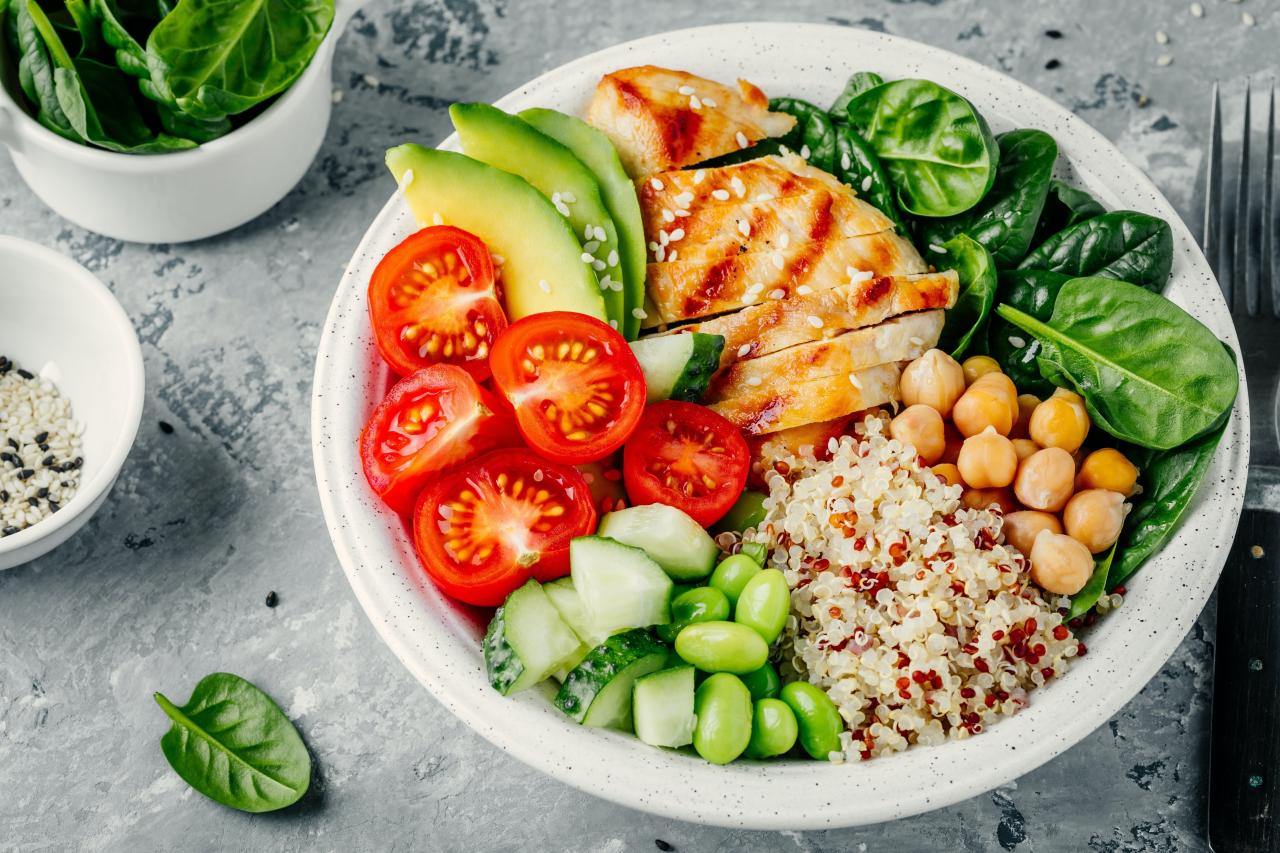
Traditional Nordic diets are plant-forward, built around vegetables, berries, whole grains, fish and canola oil. Harvard's Healthy Eating Plate suggests filling half your plate with vegetables and fruits, a quarter with whole grains and a quarter with healthy protein, with healthy oils in moderation.
In Summary
Food is an essential need for human existence. But the wrong eating habits can harm your health.
Eat a variety of foods, balance your nutrients, avoid regularly eating more than you need, and limit added sugar, saturated fat and highly processed foods.
You can lead a healthy life while eating healthy diets, as we have shown herein.
Sources
- Healthy U.S.-style dietary patterns can be modified to provide increased energy from protein, PubMed Central (NIH)
- Healthy Eating Plate, Harvard T.H. Chan School of Public Health
- Steps for Losing Weight, CDC