Tips To Lower Blood Pressure Before Testing
Tips To Lower Blood Pressure Before Testing
Normal blood pressure is less than 120/80 mm Hg, according to the CDC. Worrying about a test can push your blood pressure up for a short time. That spike does not mean you have hypertension.
Doctors even have a name for it: "white coat" readings, where nerves in a clinic raise the number. The goal before a test is not to hide a real problem. It is to get an accurate reading that reflects your usual blood pressure.
These steps help, whether the test is for a job, school, insurance, or a routine checkup.
Here’s what you need to do;
Breathe.
Nervousness can raise a reading. If you feel anxious before the test, try slow, deep breathing for a few minutes: breathe in through your nose, let your lower chest expand, then breathe out slowly through your mouth.
Drink a full glass of water.
Staying hydrated is fine, but water does not lower blood pressure for a test. The CDC actually advises not eating or drinking for 30 minutes before a reading. Empty your bladder before the measurement too, since a full bladder can raise the number.
Eat potassium-rich food.
Potassium-rich foods such as bananas, potatoes, beans, and leafy greens are part of a heart-healthy diet. They help over weeks and months, not in the hour before a test.
potassium supplements are a different story. Do not take them to "fix" a reading. Extra potassium can be dangerous for people with kidney disease or those on certain blood pressure medicines, so ask your doctor first.
Stay warm.
Cold makes blood vessels near the skin narrow, which can nudge blood pressure up. Dress warmly and avoid sitting in a chilly waiting room if you can.
Avoid mild psychomotor stimulants.
Mild psychomotor stimulants include caffeine and nicotine. Both can raise blood pressure for a short time.
The CDC says smoking, alcohol, caffeine, or exercise within 30 minutes of a reading can make it higher. Skip coffee, energy drinks, cigarettes, and workouts for at least that long before your test.
Relax.
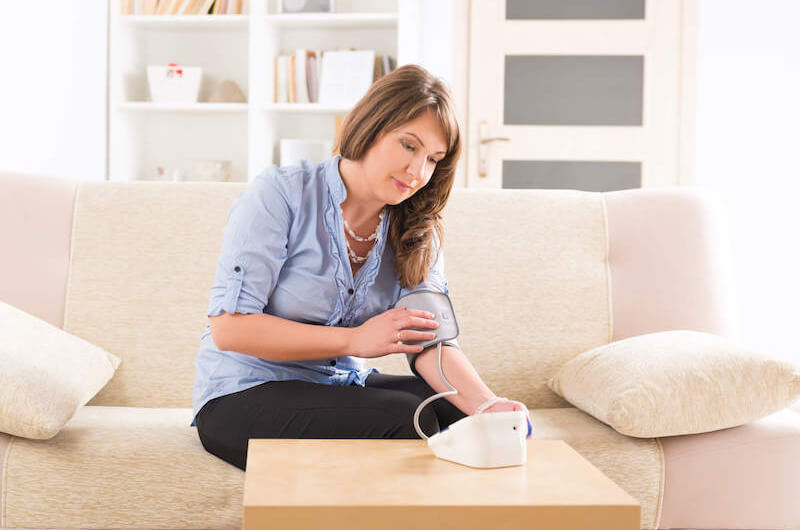
Sit in a comfortable chair with your back supported for at least 5 minutes before the reading. Keep both feet flat on the floor and your legs uncrossed.
Rest the arm with the cuff on a table at chest height, and make sure the cuff sits on bare skin, snug but not too tight.
Avoid unnecessary conversations before or during the test.
Talking during the measurement can raise the number. Stay quiet while the cuff inflates, and ask any questions after the reading.
How do you lower your blood pressure for the long term?
Exercise
Regular physical activity helps control blood pressure, and Exercises can be used to manage diabetes and weight as well. A brisk 30-minute walk on most days is a good place to start.
Fit it in whenever works for you, early in the morning or in the evening.
Healthy eating
Build meals around vegetables, fruits, whole grains, beans, and lean proteins. Cut back on salty packaged foods, fast food, and sugary snacks.
For snacks, choose fruit, vegetables, or unsalted nuts instead of chips or hot dogs.
Meditation
Relaxation practices such as meditation and slow breathing can help some people manage stress. Free guided sessions are easy to find online if you are new to it.
Sleep
Most adults need at least 7 hours of sleep a night. Short sleep is linked with higher blood pressure and makes drowsy driving more likely.
Best blood pressure monitors to use at home.
A home monitor helps you see your usual numbers outside the clinic and track progress after changes like quitting smoking, exercising, or eating better. The CDC suggests measuring at the same time each day and taking at least two readings 1 to 2 minutes apart.
Choose an upper-arm monitor with a cuff that fits your arm, and ask your doctor or pharmacist to check that your model is validated for accuracy. Popular options include:
Beurer BM55
An upper-arm monitor with a backlit display and memory for more than one user. Check the current listing for cuff size and features.
UA-767F A&D Medical Upper Arm Blood Pressure Monitor
An upper-arm monitor from A&D Medical, a long-standing maker of clinical blood pressure devices. Confirm the cuff range fits your arm before buying.
Omron Evolve Bluetooth Wireless Upper Arm Blood Pressure Monitor
A compact, one-piece upper-arm monitor that pairs with the free Omron app, so you can track readings and share them with family or your health care team.
The bottom line
You cannot safely "trick" a blood pressure test, and you should not try. You can make sure the reading is accurate: avoid caffeine, nicotine, alcohol, food, and exercise for 30 minutes, empty your bladder, sit quietly with your back supported for 5 minutes, and stay still and silent during the reading.
If your numbers are high on repeat readings, talk with your doctor. Long-term habits like regular exercise, a lower-salt diet, and good sleep are what actually bring blood pressure down.