Optional Medical Weight Loss Procedure, Weight Loss Alternatives, Recipe Plan, And Workout
Contents
- Changing lifestyle
- Best non-surgical weight loss procedure
- How the non-surgical weight loss procedure works
- After the optional medical weight loss procedure
- Benefits of weight loss alternative
- Workout, recipe plan
- Before a workout, what to eat?
- The importance of pre-workout meal timing.
- Importance of eating after a workout.
- Exercise and weight loss.
- Role of exercise in losing weight and on human health.
- Sources
Some people lose weight with workouts and exercise. At the same time, some go for a weight loss alternative or an optional medical weight loss procedure. People also plan their meals around their workouts.
There are many weight-loss strategies, from surgery to non-surgical procedures to lifestyle change. Long-term weight loss with diet and exercise alone is hard for many people, which is why medical options exist.
Some people choose bariatric surgery, and others choose a less invasive procedure. Any of these options can be followed by weight regain if eating and activity habits don't change, so lifestyle change matters in every case.
Changing lifestyle
If you eat fewer calories and exercise more, you can lose weight. The harder problem is keeping it off over an extended period.
Best non-surgical weight loss procedure
One common non-surgical option is the intragastric balloon. It is placed through the mouth without any incisions, and the main side effects are nausea and stomach discomfort in the first days.
How the non-surgical weight loss procedure works
A deflated balloon is passed through the mouth and esophagus into the stomach, usually with an endoscope, and then filled with saline. The procedure is short and usually done as an outpatient.
The balloon takes up space in your stomach, so you feel full sooner and eat less. According to the NIDDK overview of weight-loss procedures, balloon devices are temporary and cause less weight loss than surgery.
After the optional medical weight loss procedure
After the procedure, most patients go home the same day. Nausea, vomiting and cramping are common for the first few days while the stomach adjusts.
Doctors usually put patients on a liquid diet at first, then slowly move back to solid food. The diet is a chance to jump-start healthier eating habits that will improve your long-term health. The balloon is removed after about 6 months to a year, depending on the device.
Benefits of weight loss alternative
The balloon avoids surgery, so it doesn't carry the risks of incisions or a permanent change to the stomach. It can help you feel fuller and cut back your hunger while it is in place.
Losing excess weight can improve blood sugar, blood pressure and joint pain. The trade-off is that a balloon produces less weight loss than gastric bypass or sleeve surgery, and you still need to change how you eat. Side effects can include nausea, vomiting, stomach cramps and bloating.
Workout, recipe plan
Athletes and fitness fans are always looking for ways to improve their performance and reach their goals. Good nutrition helps your body perform better and recover faster after every workout. Eating well before exercise supports your training and helps limit muscle damage.
Before a workout, what to eat?
Eating well gives you the energy to perform better. Each food has its role before a workout, and how much you need depends on the exercise you are doing.
Carbs are the main fuel for working muscles.
Protein is also an essential macronutrient. It is the building block for muscle repair and growth, and having some before or after a workout supports that process.
Fat supplies energy too, but a large, fatty meal right before exercise digests slowly and can cause stomach upset. Keep pre-workout meals moderate in fat.
The importance of pre-workout meal timing.
The timing of pre-workout meals matters. A full meal is best eaten a few hours before training, while a small snack of carbs with a little protein works closer to the workout.
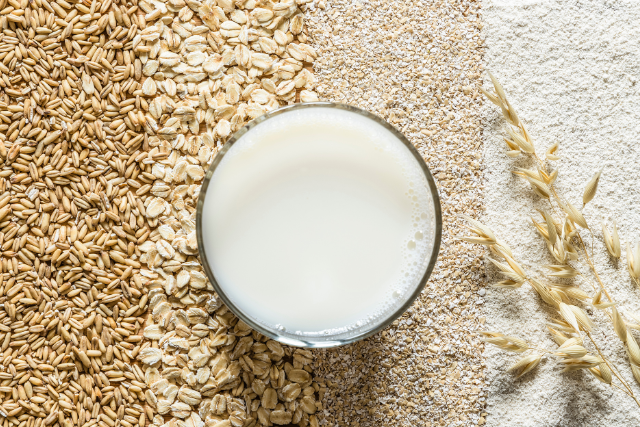
A pre-workout meal can mix all three macronutrients. For example, have bread, eggs and some vegetables 1 to 2 hours before. A banana milkshake, oatmeal or a piece of fruit works as a lighter option. Most people don't need supplements before a workout if they eat well.
Plan your meals around your training. Drink water before the activity as well, because hydration supports performance.
Importance of eating after a workout.
A good meal after a workout helps your muscles recover. Research supports eating carbs and protein after exercise. Protein helps repair and build muscle, while carbs refill your energy stores. A moderate amount of fat after exercise is fine.
The importance of timing in a post-workout meal.
Timing matters for a post-workout meal, but total daily intake matters more. The International Society of Sports Nutrition suggests 20 to 40 grams of protein every three to four hours, and eating within about two hours after training is a practical habit.
What should you eat after exercise? Good options include fruits, vegetables, eggs, chicken, yogurt, nuts, nut butter, chocolate milk and protein powder. After a workout, drink plenty of water to replace what you lost in sweat.
Exercise and weight loss.
Excess weight raises the risk of type 2 diabetes, heart disease and some cancers. Eating fewer calories along with exercise helps with weight loss, and medical weight loss options can help some people. Plan your meals around this.
Calorie restriction alone often isn't enough to keep weight off, and exercise lowers the risk of many diseases. Adults should aim for at least 150 minutes of moderate activity a week, such as brisk walking, plus muscle-strengthening activity on 2 or more days. Options include aerobic exercise, weight training, yoga and walking.
Make exercise a daily habit. Ride a bicycle or walk instead of driving short distances, and take the stairs instead of the elevator.
Role of exercise in losing weight and on human health.
Exercise plays an essential role in losing weight. You need to eat in a calorie deficit to lose weight, and your meal plan should reflect that, because some people eat more calories than they burn even while exercising. Regular exercise lowers the risk of heart disease, some cancers and obesity. Regular cardio, such as on 5 days a week, can help you lose weight, including belly fat.
Exercise can increase hunger, and as a result, some people eat more and don't lose weight. That's why your meals should match your exercise and diet goals. Movement has many other advantages as well. It lifts your mood, reduces anxiety and boosts your energy level. It also lowers the risk of many diseases.
Sources
- Types of Weight-loss Surgery, NIDDK
- ISSN position stand: nutrient timing, Journal of the International Society of Sports Nutrition
- Physical Activity Guidelines for Adults, CDC