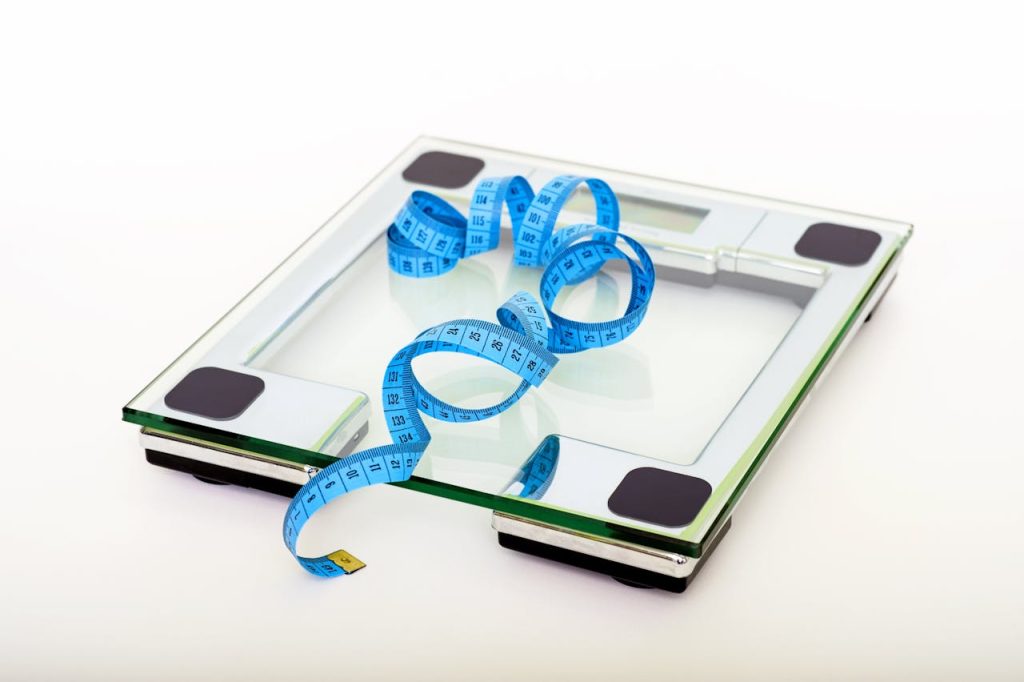

How You Can Lose Weight In 60 days

How You Can Lose Weight In 60 days
Losing weight after years of carrying extra pounds isn't easy. With a healthy diet and regular exercise, though, you can make real progress in 60 days.
The CDC recommends losing about 1 to 2 pounds a week. At that pace, about 8 to 17 pounds in 60 days is a realistic range for many people.
Busy schedules, unhealthy eating patterns, and too little activity often lead to weight gain. This guide shows you how to set up a plan for the next 60 days.
You'll need to plan ahead and make a few lifestyle changes.
If you're serious about losing weight in 60 days, follow the steps below.
Best diets for 60 days weight loss plan
Your plan works best when you know which foods to choose.
Good choices for a 60-day plan include whole grains, vegetables, whole fruits, beans, nuts, and fish. Poultry and other healthy protein sources belong on the list too.
Whole grains include oats, brown rice, quinoa, and whole wheat. Choose whole fruit over fruit juice. Cook with plant oils such as olive oil, and drink water or other calorie-free drinks.
Limit salty processed foods, which can cause water retention and are often high in calories. Skip fruit juice, sports drinks, and other sweetened drinks.
Keep white pasta, white bread, and sweets to a minimum, and cut back on fast food.
Plant-based diets
Plant-based diets may help you lose weight. Vegetarian and vegan diets are the best-known versions, and people choose them for health, ethical, and environmental reasons.
More flexible plant-based diets exist too. The flexitarian diet, for example, is mostly plant-based but allows some animal foods.
Low-carb diets
Low-carb diets are a popular way to manage weight. Some cut carbs much more than others.
For example, very low-carb diets such as keto limit carbs to under 10% of total calories, while other low-carb diets allow up to about 30%.
The paleo diet
The paleo diet is based on foods that early hunter-gatherers might have eaten, such as lean meats, fish, fruits, vegetables, nuts, and seeds.
Supporters argue that modern diseases are linked to the Western diet and that humans aren't adapted to eat grains, legumes, and dairy. That idea is debated, and long-term evidence is limited.
Low-fat diets
Like low-carb diets, low-fat diets have been popular for decades.
A low-fat diet usually limits fat to about 30% of daily calories or less.
Very low-fat diets limit fat to under 10% of calories and should be followed only with medical guidance. A steady loss of 1 to 2 pounds a week is best for long-term weight management.
60-day weight loss plan
A weight loss plan doesn't mean going hungry or skipping meals. This plan keeps you satisfied while creating a steady calorie deficit.
The plan cuts about 500 calories a day from your diet and adds an hour of brisk walking. Harvard Health estimates that 30 minutes of walking at 4 mph burns about 135 to 190 calories, depending on body weight, so an hour burns roughly 270 to 380.
That adds up to a deficit of roughly 800 calories a day, or about 1.5 pounds a week. Over 60 days, that is around 12 pounds, though weight loss usually slows a bit as you go.
Diet, exercise, and a positive attitude all matter. If you exercise but don't watch your calories, you may eat back what you burned.
60-day meal plan for weight loss
Here is a sample day for this 60-day plan. Swap in other foods from the same food groups to keep things varied.
| Meal | Food | Amount |
| Breakfast | Toasted brown bread Low-fat milk Egg white | 1 slice 1 cup Three egg whites |
| Morning snacks | Papaya | One bowl |
| Lunch | Chicken curry Chapati raita | 1 cup 1 medium-size 1/3 bowl |
| Evening snack | Vegetable soup | 1 cup |
| Diner | Cauliflower vegetable Chapati Salad | 1 cup 1 medium-size ½ cup |
Along with this plan, walk briskly for about an hour a day. You can split it into shorter walks.
Rotate foods within each group, because nobody eats the same menu for 60 days. Stick to the portions and food types above for best results.
Things you must do when undertaking a 60-Day Weight Loss Task.
Remove sugar from your diet.
Think of it as a 60-day "no added sugar" challenge. Cutting added sugar is hard if you have a sweet tooth, but it is one of the most effective changes you can make.
Plan every day when and what you will eat
Plan when and what you'll eat each day. This keeps you from getting so hungry that you grab whatever is nearby.
Get a decent sleep
A good night's sleep matters for overall health, and it can help with weight loss too. Short sleep is linked to more hunger and cravings.
When you're well rested, it's easier to resist overeating.
Undertake regular fasting
Some people use intermittent fasting, such as eating within an 8-hour window, to eat less overall. It works about as well as other ways of cutting calories, so use it only if it suits you.
Include whole grains & healthful snacks
Choosing whole grains over refined grains makes a big difference. Good snacks include a handful of almonds, celery sticks with guacamole, or a piece of fruit.
Low-fat dairy products are also a good fit for a 60-day plan.
Avoid processed foods
Watch out for highly processed "diet" foods, which can be high in sugar, refined starch, and oil.
Avoid eating outside
Try to cook at home for at least a month. Restaurant meals are often large and high in calories, and home cooking makes counting calories easier.
Take more fruits
Eat more fruits and vegetables. They are filling, low in calories, and rich in fiber, vitamins, and antioxidants.
Important points to note in your 60-days weight loss plan
Meal planning is a useful tool for a 60-day plan. Done right, it creates the calorie deficit you need for weight loss while still giving your body the nutrients it needs.
Body type – your size, muscle mass, and activity level affect how many calories you burn. Knowing your starting point helps you set realistic targets.
A good 60 days weight loss meal plan should follow some basic yet fruitful criteria,
- Drink at least 4-5 litres of water a day. That is more than most people need; drink enough to stay hydrated, and follow your doctor's advice if you have heart or kidney problems.
- Limit processed food and added sugar.
- Include plenty of fiber and protein-rich food in your diet.
- Choose a meal pattern you can keep, whether that is 3 meals or several smaller ones.
- Plan nutrient-packed meals.
- Pick a few low-calorie recipes you enjoy and rotate them.
FAQS
How do weight loss diets act on the body system?
They create a calorie deficit, so your body uses stored fat for energy. Good diets also help control hunger so the deficit is easier to keep.
Is it compulsory to exercise while taking weight-loss diets?
You can lose weight by cutting calories alone, but exercise helps a lot. It burns extra calories, helps you keep muscle, and makes it easier to keep the weight off.
What is the most aspect of this weight loss plan?
The most important part of a 60-day plan is turning healthy eating and regular activity into habits. Eating enough protein and exercising regularly both help.
Is it necessary to check my weight daily?
It isn't required. Some people find daily weigh-ins helpful, but weight changes from day to day with water and food. Weighing once a week, at the same time of day, works well too.
Why is protein so important in my 60 day Weight loss plan?
Include protein at each meal and snack. It keeps you full longer, reduces cravings, and helps you keep muscle while you lose fat.
In Summary
Sometimes habits slip, and a bigger change in how we eat and live is needed. A 60-day plan gives you enough time to build new habits and see real results.
Combine a calorie-controlled diet with regular exercise, aim for 1 to 2 pounds a week, and adjust the plan to fit your needs.
Sources
- Steps for Losing Weight, CDC
- Calories burned in 30 minutes for people of three different weights, Harvard Health Publishing
- Benefits of Physical Activity, CDC