Can You Lose Weight From Diarrhea?
Can You Lose Weight From Diarrhea?
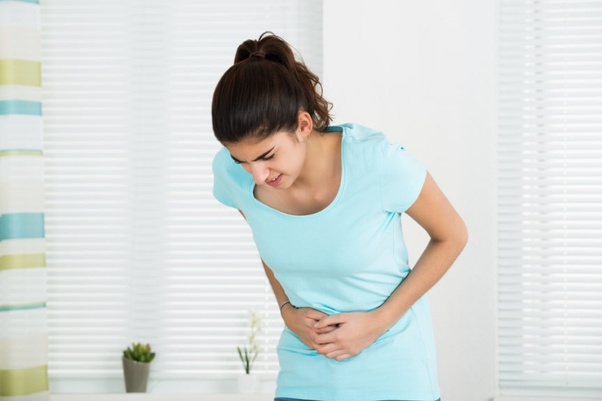
Diarrhea is one of the most common illnesses. If it lasts a while, it can leave you weak and lighter on the scale, mostly from lost fluid. Prolonged diarrhea can be dangerous because it dehydrates the body. We have all been there! Don’t you hate the feeling of getting this strong urge for poop especially, during an important business meeting or date? It's embarrassing, uncomfortable and sometimes painful, and persistent diarrhea can also lead to weight loss.
Short-term diarrhea is most often caused by an infection. Viruses such as norovirus cause "stomach flu" (viral gastroenteritis), which usually lasts a couple of days. Bacteria and parasites from contaminated food or water are other common causes. According to MedlinePlus, acute diarrhea usually goes away on its own within a day or two.
Effect of Diarrhea on weight:
The main effect of diarrhea is water loss. You lose fluid and electrolytes, which can lead to dehydration and, in severe cases, kidney problems. Most of the quick weight loss during a bout of diarrhea is lost fluid. Diarrhea that lasts a long time can also cause real weight loss if you can't eat or absorb food properly.
If you don't replace the fluid you lose, you can become dehydrated. Any major change in bowel activity, especially with unexplained weight loss, needs to be checked by a doctor.
How much weight you lose depends on how severe the diarrhea is and how long it lasts. A mild bout may cause little change. Longer or more severe diarrhea causes more fluid loss, especially in people who are already ill and struggle to keep up with fluids.
Can you lose weight from diarrhea?
Yes, but mostly temporarily. Diarrhea can drain a lot of fluid in a short time, so the scale may drop a few pounds. That water weight comes back once you rehydrate.
Different conditions like food poisoning, travel diarrhea, and malabsorption can lead to diarrhea and later weight loss. Malabsorption means the gut can't absorb nutrients such as fats properly, so they pass through without being used. Over time this can cause real weight loss and weakness. Long-lasting diarrhea can come from conditions such as inflammatory bowel disease or celiac disease. Travelers' diarrhea comes from contaminated food or drinks and often brings nausea, bloating or cramps. Bacterial cases usually last 3 to 7 days without treatment.
Dehydration is the main risk with constant diarrhea. Diarrhea can be a symptom of serious illness, but in travelers it is most often caused by enterotoxigenic E. coli (ETEC), one of several types of diarrhea-causing E. coli, according to the CDC Yellow Book.
Does diarrhea make you skinny?
A short bout of diarrhea won't make a healthy person skinny. If you are already ill or weak, or the diarrhea becomes chronic, the weight loss can become significant. That is a sign something needs medical attention.
If your body can't absorb enough nutrients over a long period, you can become malnourished. Diarrhea can cost you water, sodium, potassium and, when it's chronic, calories, protein and vitamins.
Some people try to cause diarrhea on purpose to lose weight, using laxatives or extreme diets. Don't. It doesn't remove fat, it risks dehydration and electrolyte problems, and it is linked to eating disorders. If you feel driven to do this, please talk to a doctor.
Diarrhea usually goes with weight loss, but not always. Some conditions cause both diarrhea and weight gain. For example, fluid build-up in the abdomen (ascites) from liver cirrhosis, heart failure or some cancers can add weight. Irritable bowel syndrome can cause diarrhea without weight loss.
Celiac disease happens to be an illness in which the digestive system cannot process gluten. It is a component of many foods, including most bread and even some medicines. Many people with celiac disease have loose stools after eating gluten, and the disease can cause malabsorption and weight loss. Not everyone with celiac disease is underweight, though; some are overweight when diagnosed. Eating a lot of sugar or sugar alcohols can also cause loose stools.
How much weight can you lose from diarrhea?
With short-term diarrhea, most of the weight you lose is water. It's hard to predict how much; comparing your weight before and after is the only way to know. Many people drop a couple of pounds, which returns when they rehydrate. A typical bowel movement weighs roughly a quarter pound to a pound, so feeling lighter after one isn't fat loss.
Eating healthier foods and maintaining a balanced diet that is packed with nutrients can help in weight loss. Losing weight through excessive pooping or diarrhea is not an effective way to lose weight. Focus on burning more calories through exercise and a diet.
If you are losing weight steadily with chronic diarrhea, see your doctor. Ongoing weight loss can signal malabsorption or another condition that needs treatment.
Frequently asked questions
What causes diarrhea?
Most short-term diarrhea is caused by viruses, bacteria or parasites. Other causes include medicines such as antibiotics, food intolerances such as lactose intolerance, and digestive diseases.
How can one get diarrhea to lose weight?
You shouldn't. Causing diarrhea on purpose doesn't remove fat, and it can lead to dehydration and dangerous electrolyte imbalances.
Can diarrhea make one lose appetite?
Yes. An upset stomach often reduces appetite. Dizziness can be a sign of dehydration.
Is intentional diarrhea safe?
No. Using diarrhea to lose weight quickly is not safe, whatever product or diet you use. Seek medical help if you have vomiting, dizziness or other signs of dehydration.
Is it normal to lose weight in diarrhea?
It's common to lose a little weight, mostly water. Most diarrhea from infections lasts a few days. Weight loss from diarrhea that lasts weeks is not normal and should be checked.
How healthy or unhealthy is it to lose weight from diarrhea?
It's unhealthy. You lose mostly water, not fat, so the weight comes back once you recover. You also risk dehydration and lost nutrients.
Why does diarrhea make you dehydrated?
Watery stools carry fluid and electrolytes out of your body. Drink plenty of fluids, and consider an oral rehydration solution to replace salts.
Can you gain weight from diarrhea?
It's uncommon, but conditions such as ascites from liver cirrhosis or heart failure can cause weight gain alongside diarrhea.
What type of disease is diarrhea?
Answer: Diarrhea is a symptom rather than a disease: loose, watery stools three or more times a day.
How do you get diarrhea?
Answer: Often from viral or bacterial infections in the intestines. Viral cases are sometimes called "stomach flu," though they are not caused by the influenza virus.
What effects does diarrhea have on you?
Answer: Diarrhea can lead to water loss from the body, which can cause dehydration. Sometimes that can cause weight loss.
How do you keep yourself from getting worse in diarrhea?
Answer: Drink plenty of water and other fluids to replace what you lose. See a doctor if you have signs of dehydration, a fever of 102°F or higher, bloody or black stools, or diarrhea lasting more than 2 days.
Conclusion
So, can you lose weight from diarrhea? Yes, but mostly water, and it comes back once you rehydrate. Diarrhea can leave you weak, and chronic diarrhea with weight loss needs a doctor's attention.
Diarrhea is also serious on a global scale. The WHO lists diarrhoeal disease as the third leading cause of death in children under 5. Clean water, good hygiene and safe food reduce the risk.
For most healthy adults, diarrhea clears up within a few days. Drink plenty of fluids while it lasts, and see a doctor if it doesn't improve or you notice warning signs.
Sources
- Diarrhea, MedlinePlus
- Travelers' Diarrhea, CDC Yellow Book
- Diarrhoeal disease, World Health Organization