Weight Reduction With Whey Protein
Weight Reduction With Whey Protein
Whey protein is a convenient way to add protein to your diet. It is best known as a muscle-building supplement, but it can also play a small supporting role in weight loss.
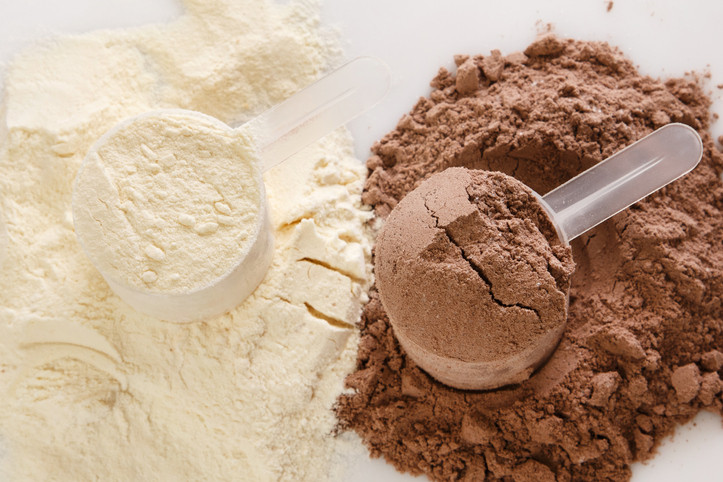
Whey is the liquid left over when milk is made into cheese. It contains proteins known as whey proteins. The two most common forms in supplements are whey concentrate and whey isolate, which is filtered further to contain more protein and less fat and lactose.
Advantages of whey protein
Here is what whey protein can realistically do for weight loss:
- It may modestly help weight loss. A meta-analysis of nine randomized trials in people with overweight or obesity found slightly more loss of weight and fat mass with whey, about half a kilogram (roughly 1 pound) of body weight on average.
- It can help preserve lean muscle while you lose weight, especially combined with strength training.
- It supports muscle building, and muscle burns slightly more calories than fat.
- Protein is filling, so a whey shake can help curb hunger between meals.
- It is a complete protein, with all nine essential amino acids.
- It is easy to digest for most people without a dairy allergy.
- The same meta-analysis found small improvements in blood pressure, blood sugar, and cholesterol.
Disadvantages of whey protein
- Some people get bloating, gas, cramps, nausea, or diarrhea, especially at high doses or with lactose intolerance.
- It still contains calories, so adding shakes without cutting elsewhere can cause weight gain.
- As a dietary supplement, its quality and labeling are not checked by the FDA before sale.
Pros of whey protein for weight loss
There are both pros and cons of whey protein for weight loss. Here are the main pros:
Enhances Satiety:
Protein tends to be more filling than carbohydrates or fat. Harvard's dietary pyramid puts healthy protein sources alongside vegetables, fruits, and whole grains. Feeling full on fewer calories makes it easier to eat less overall.
Uplifts Metabolism:
Your body uses more energy to digest protein than to digest carbs or fat. The effect on daily calorie burn is small, though.
Builds Muscle
Whey protein boosts muscle protein synthesis and can help you lose weight when you use it to replace other sources of calories.
Cons of whey protein for weight loss
Most people can safely use whey protein unless they have a milk allergy. The main downsides are below.
Possibilities of stomach issues
Whey protein can cause bloating, constipation, diarrhea, or nausea in some people, especially in large amounts.
Calorie content
Whey protein is low in fat and carbohydrates, but it still has calories. Taking in too many calories from any source, including protein, leads to weight gain.
Some powders also contain a lot of added sugar. Harvard Health found some have as much as 23 grams per scoop, and mixed into a shake, some can push a drink above 1,200 calories.
Summing up the pros and cons of whey protein supplements:
Most people can get enough protein from food. The RDA is 46 grams a day for women and 56 grams for men.
Supplements are convenient, but they don't provide the range of nutrients in whole foods.
Check labels for added sugar, and choose products tested by an independent group, since the FDA does not verify supplement contents before sale.
Whey protein isolate advantages and disadvantages
Advantages
Whey isolate and whey concentrate are the two most common types. Isolate is processed further, giving more protein and less carbohydrate, fat, and lactose per serving.
That makes isolate a better choice for some people with mild lactose intolerance. Like all whey, it supplies all nine essential amino acids your body can't make.
It is a practical option for people who struggle to get enough protein from food, such as some older adults.
Whey is beneficial for muscle growth, especially when combined with resistance training. It may also aid recovery after hard exercise.
Studies in people with overweight or obesity have found small improvements in blood pressure with whey supplements, but whey is not a treatment for high blood pressure or heart disease.
Disadvantages
Normal servings of whey isolate are safe for most healthy people. Very high protein intake from supplements has not been well studied over the long term.
People with kidney disease should talk with their doctor before adding protein supplements, since they may need to limit protein.
People with a milk allergy should avoid whey. Those with lactose intolerance may still get stomach upset, especially from concentrate.
Protein powders can also contain added sugar, extra calories, and in some tests, contaminants such as heavy metals. Choose third-party tested products.
FAQS
What is the unique point about whey Protein?
Whey is a high-quality, complete protein that digests quickly and is filling. Used in place of other calories, it can make a calorie deficit easier to stick to. It does not block fat absorption.
Can whey protein build muscles?
Yes, when combined with strength training and enough total calories. It is rich in branched-chain amino acids, especially leucine, which helps trigger muscle growth.
Can I exercise while taking whey protein?
Yes. Whey works best alongside regular exercise, especially strength training, to support muscle while you lose fat.
Can I be affected if I overuse whey protein?
Yes. Too much whey adds extra calories that can lead to weight gain, and large doses can upset your stomach. Stick to the serving on the label and count shakes as part of your daily calories.
What are the side effects of whey protein?
The most common are bloating, gas, cramps, nausea, constipation, and diarrhea, especially at high doses. People with a milk allergy should avoid it.
Wrapping up:
Obesity raises the risk of many diseases, so keeping a healthy weight matters. Whey protein can help a little: it is filling, supports muscle, and in studies adds a small amount of extra weight loss, about 1 pound on average.
It is not a magic bullet. Calorie balance, a healthy diet, and exercise still do most of the work.
Generally, whey is safe and useful for most people. Talk to your doctor first if you have kidney disease, a milk allergy, or other health conditions.
Sources
- Whey Protein Supplementation Improves Body Composition and Cardiovascular Risk Factors in Overweight and Obese Patients: A Systematic Review and Meta-Analysis, Journal of the American College of Nutrition (PubMed)
- The hidden dangers of protein powders, Harvard Health Publishing