Benefits of the Ketogenic Diet
Benefits of the Ketogenic Diet
Have you heard about the ketogenic diet and wondered how it helps people lose weight? Here we explain how the ketogenic diet works, what a week of eating looks like, and its benefits and risks.
Ketogenic diet:
The ketogenic (keto) diet is a very low-carb, high-fat diet. It is not right for everyone, but it can help with weight reduction. Its best-established medical use is treating epilepsy that does not respond to medication, especially in children.
On keto, you cut carbohydrates sharply and replace them with fat. This pushes your body into a metabolic state called ketosis, in which it burns fat as its main fuel.
In ketosis, your liver turns fat into ketones, which your brain and other organs can use for energy. The diet can also lower blood sugar and insulin levels. There are several types of ketogenic diets.
High protein ketogenic diet:
This version is similar to the standard ketogenic diet but with more protein: typically about 60% fat, 35% protein, and 5% carbohydrates. The standard keto diet is usually 70% to 80% fat, 5% to 10% carbohydrate, and 10% to 20% protein, according to Harvard's Nutrition Source.
Other versions are used by athletes and bodybuilders. A targeted keto diet adds a small amount of carbs around workouts. A cyclical keto diet includes periods of higher-carb eating, such as one or two days a week.
These are more advanced approaches, and the research on them is limited.
Ketosis is a process where your body uses fat as its main fuel. When you cut carbs, your body's stored glucose runs down. The Cleveland Clinic says it usually takes 2 to 4 days of eating 20 to 50 grams of carbs a day to enter ketosis, though for some people it takes a week or longer.
Some people use intermittent fasting, such as eating within an 8-hour window and fasting for 16 hours, to reach ketosis faster. Check with your doctor first if you have diabetes or take medication.
Eating schedule in ketogenic diet:
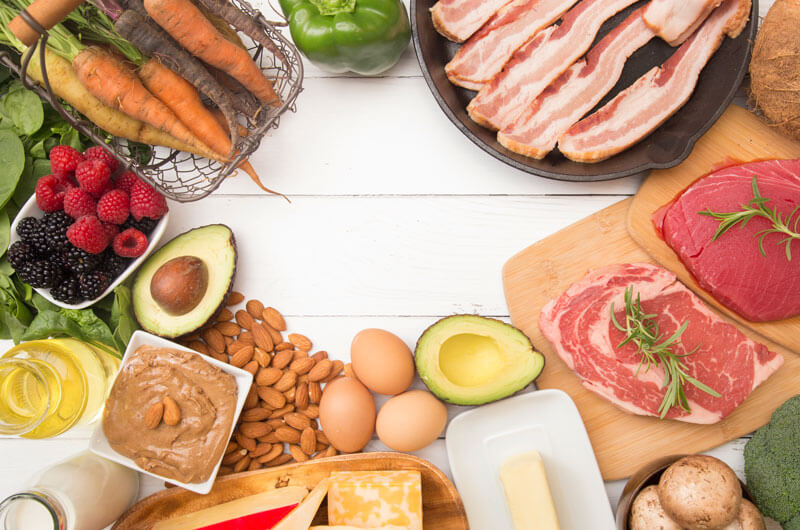
Build your keto meals around simple, whole foods in sensible portions: meat, fish, eggs, low-carb vegetables, nuts, and healthy fats.
A typical keto breakfast might be 2 to 3 eggs with low-carb vegetables. Bread, even brown bread, is too high in carbs for a keto diet. Cook vegetables in a small amount of healthy oil, such as extra virgin olive oil or avocado oil.
Season with herbs and spices as you like.
Plan your meals for the week in advance so you have the right foods on hand.
On Monday, have vegetables with 2 hard-boiled eggs and tomato for breakfast. For lunch, have a portion of meat with a green salad dressed with olive oil. For dinner, eat salmon cooked in butter. On Tuesday, have an omelet with tomato for breakfast.
For lunch, make a keto smoothie with almond milk and peanut butter.
On Wednesday, have nut milk with coconut and blackberries. For lunch, have avocado with a green salad and black pepper. For dinner, eat broccoli with a green salad and Parmesan cheese.
On Thursday, have an omelet with avocado, pepper, and onion for breakfast. As a snack, have celery sticks and a small handful of nuts with salsa. For dinner, have chicken stuffed with cream cheese.
On Friday, have unsweetened Greek yogurt with peanut butter and a few berries. For lunch, have a burger patty without the bun with grilled mushrooms. For dinner, have cauliflower and mixed vegetables with a protein of your choice.
On Saturday, have cream cheese pancakes for breakfast. For lunch, make zucchini noodles. For dinner, have white fish cooked in coconut oil.
On Sunday, have eggs scrambled with mushrooms. For dinner, have chicken with broccoli and pepper.
Ketogenic diet help to fight against different diseases:
The keto diet is a proven treatment for some types of epilepsy, and it is being studied for other conditions.
It may help some people with type 2 diabetes lower their blood sugar, but anyone taking diabetes medication needs medical supervision, because their doses may need to change.
Claims that keto helps the human body battle against heart disease, brain injuries, or tumors are not established.
To get into ketosis, avoid sugary drinks like soda and sweetened juices, ice cream, and candy. You also need to cut starches such as bread, pasta, rice, and potatoes.
Avoid trans fats and highly processed foods too. Focus on nutritious meals built from the foods listed above.
You can still eat out on a ketogenic diet. Many restaurants offer meat or fish dishes, and you can ask to swap the starchy side for extra vegetables.
Ketogenic give a ton of medical advantages for some people, but it also has side effects. In the first days or weeks, many people get the "keto flu," with headache, fatigue, and an upset stomach. Other possible side effects include constipation, bad breath, trouble sleeping, dehydration, and lower exercise performance.
Talk to your doctor before starting, and tell them about your health conditions and medications. Drinking enough water and getting enough salt and other electrolytes can ease keto flu symptoms. If you eat a varied keto diet, you may not need supplements, though some people use them.
Popular keto supplements include MCT oil, minerals (electrolytes), creatine, whey protein, exogenous ketones, and caffeine. Common signs that you are in ketosis include bad breath, weight loss, raised ketones in the blood, breath, or urine, reduced appetite, short-term fatigue, a temporary drop in exercise performance, digestive changes, and trouble sleeping.
Here are some possible benefits of a ketogenic diet. Many people find it reduces hunger, which can make it easier to eat less.
It can lead to faster weight loss in the first months, though a meta-analysis found only about 2 pounds more weight loss than a low-fat diet at one year.
Keto also tends to raise HDL ("good") cholesterol, but it can raise LDL ("bad") cholesterol too, so have your cholesterol checked.
The long-term effects of keto beyond a year are not well studied, and possible risks include kidney stones and weaker bones. Good keto foods include fish, chicken, beef, eggs, low-carb vegetables, avocados, small amounts of berries, olive oil, coconut oil, nuts, and cheese.
Most other fruits are too high in carbs.
Sources
- Diet Review: Ketogenic Diet for Weight Loss, Harvard T.H. Chan School of Public Health
- Ketosis: Definition, Benefits and Side Effects, Cleveland Clinic