Get The Best Tips On How To Lose Weight On Your Own
Contents
Get The Best Tips On How To Lose Weight On Your Own?
Most people who want to lose weight want to do it safely and naturally. With so many tips and programs that exist online, it's easy to get confused about what to follow and how to start. This article covers the simple basics worth focusing on.
Losing weight does not happen overnight. It is best to lose weight slowly and steadily. The CDC recommends about 1 to 2 pounds a week, because people who lose weight gradually are more likely to keep it off.
Healthy weight loss is not just about a "diet." It is about changing your everyday habits for the long term.
Set small, realistic goals. They help you lose weight safely and make it more likely you will keep it off. Even losing 5% of your body weight can improve blood pressure, cholesterol and blood sugar.
Best Tips on how to Safely Lose Weight:
Create a diet plan that suits you
Choosing a diet plan is a bit like choosing shoes: what fits one person may not fit another. A plan you can stick with is the right one. If you have a health condition, ask your doctor or a dietitian to help you build it.
Here are a few key tips for your diet.
Lose your carb intake: Cutting back on refined carbs, like white bread, sweets and sugary drinks, is a good place to start. A healthy lower-carb plan focuses on fiber, healthy fats, lean proteins and vegetables. Lower-carb diets can help some people lose weight, but their effect on cholesterol varies from person to person.
Eat plenty of fruits and vegetables. They are high in fiber and water and low in calories, so they fill you up.
Eat more protein: Protein helps you feel full and helps preserve muscle while you lose weight. Good lean sources include fish, poultry, beans, peas, lentils and tofu.
Portion Control: Watching portion sizes makes any diet plan easier. Using smaller plates can help you serve less. Drinking a glass of water before a meal may also help you feel fuller and eat a little less.
Avoid processed food.
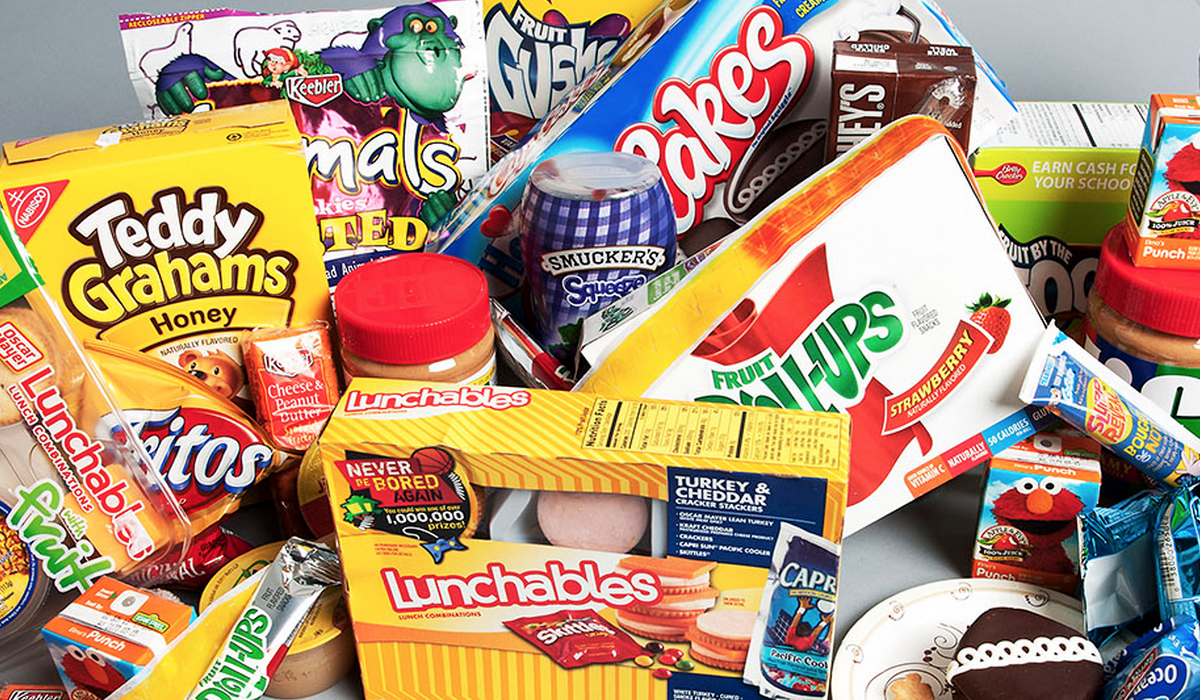
Avoid processed food.
When trying to lose weight, limit heavily processed and junk foods. They are easy to overeat and can slow your progress.
Processed food is often high in sodium, fat, calories and sugar. It is usually less nutritious than whole food.
Heavily processed foods are designed to be very tasty and are often low in fiber and protein. That makes them easy to overeat and less filling than whole foods.
Engage in physical activity
Being physically active is one of the best ways to support weight loss. Exercise burns extra calories and helps you keep weight off once you lose it.
Adults should aim for at least 150 minutes of moderate activity a week, plus muscle-strengthening exercise at least two days a week. If you go to a gym, three to four visits a week is a good target. If you are new, a trainer can show you exercises that fit your goals and fitness level.
If you have a health condition, check with your doctor before starting a new exercise plan, and keep them informed about everything about your exercise sessions.
If you don't have the time or budget for a gym, work out at home or take a brisk walk or jog most mornings. Start with 20 to 30 minutes and build up. If you enjoy sports, biking, swimming or basketball all count.
Get Enough Sleep
Sleep matters as much as diet and exercise. Most adults need at least 7 hours a night. Have a healthy sleep schedule.
Short sleep is linked to weight gain. When you are tired, you tend to feel hungrier, crave high-calorie foods and have less energy to be active.
Late-night screen time is a common culprit, especially for teens. It cuts into sleep and often comes with late-night snacking.
Over time, that pattern can make it harder to reach your weight goal.
Stay hydrated
Water is the best drink when you are trying to lose weight. Some people mistake thirst for hunger, so if you feel hungry at an odd time of day, try a glass of water first. You can add lemon, cucumber or herbs for flavor.
A common rule of thumb is a minimum of 8 glasses of water a day. The NHS suggests 6 to 8 cups or glasses of fluid a day, and you may need more when it is hot or you are active.
Water has no calories, so it is a far better choice than juice, sugary coffee drinks or alcohol.
Be cautious with weight loss supplements. Many have little evidence behind them, and some contain hidden drugs. Always consult your doctor before taking any.
You may not have reached your goal weight yet, but don't rush it. What matters is building healthy habits you can live with every day. Look back at how far you have come, not just at how far you have to go.